
Recently, British Couple Charlie Jackson and his wife Carol noticed her engagement ring was missing. When the accompanying wedding ring…
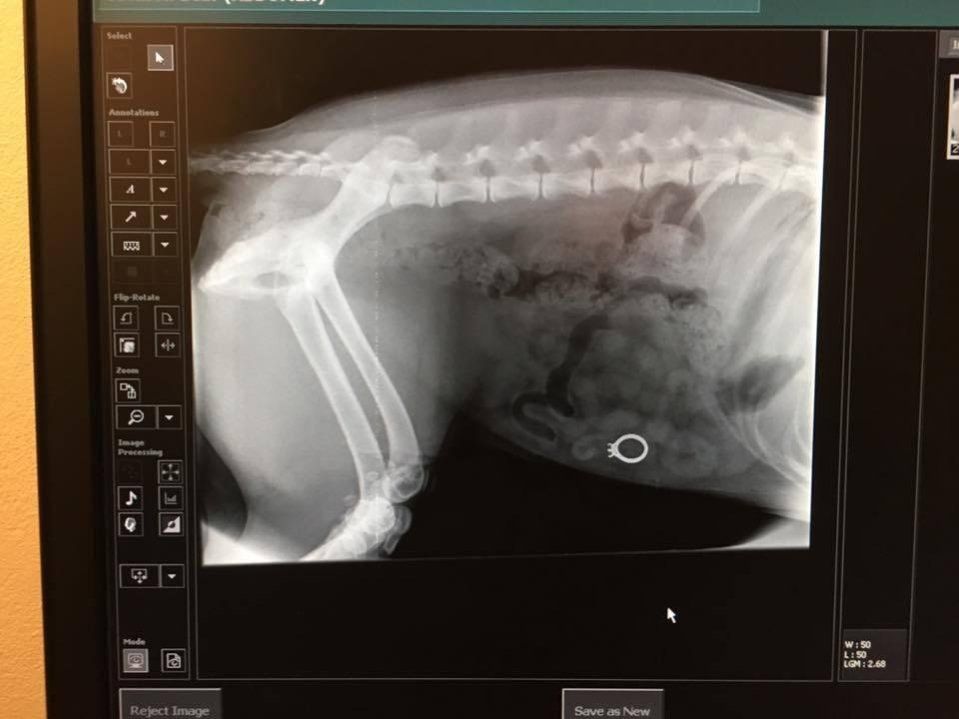
Recently, British Couple Charlie Jackson and his wife Carol noticed her engagement ring was missing. When the accompanying wedding ring was found on the floor, their search led them to their 9 month old dog, Bear. A trip to the veterinarian and some X-rays confirmed that confirmed that the ring was indeed in black labrador’s belly! The pooch had swallowed the GIA-graded, brilliant-cut, 1.3-carat, G-color, VVS1-clarity Forevermark diamond after snatching it from the couple’s bedroom.
Interestingly, the stone itself was not visible on the X-Ray. Carbon appears transparent on X-rays, so only the outline was visible.
Luckily this tale has a happy ending – Diamonds, having no sharp ends, are relatively harmless for a dog’s insides. The ring came out naturally, and Charlie was quick to add that the ring, while in perfect condition, was still being cleaned by their jeweler!

Source: Rapaport News
Interested in more stories like this? Join Us On Social Media. 


We send periodic email announcements and a monthly newsletter with clips to our favorite News & Events stories. Subscribe today.
[salesforce form=”2″]
You may have seen Pearls referred to by “grade”: A, AA, AA+, and AAA. But how is that grade determined?…
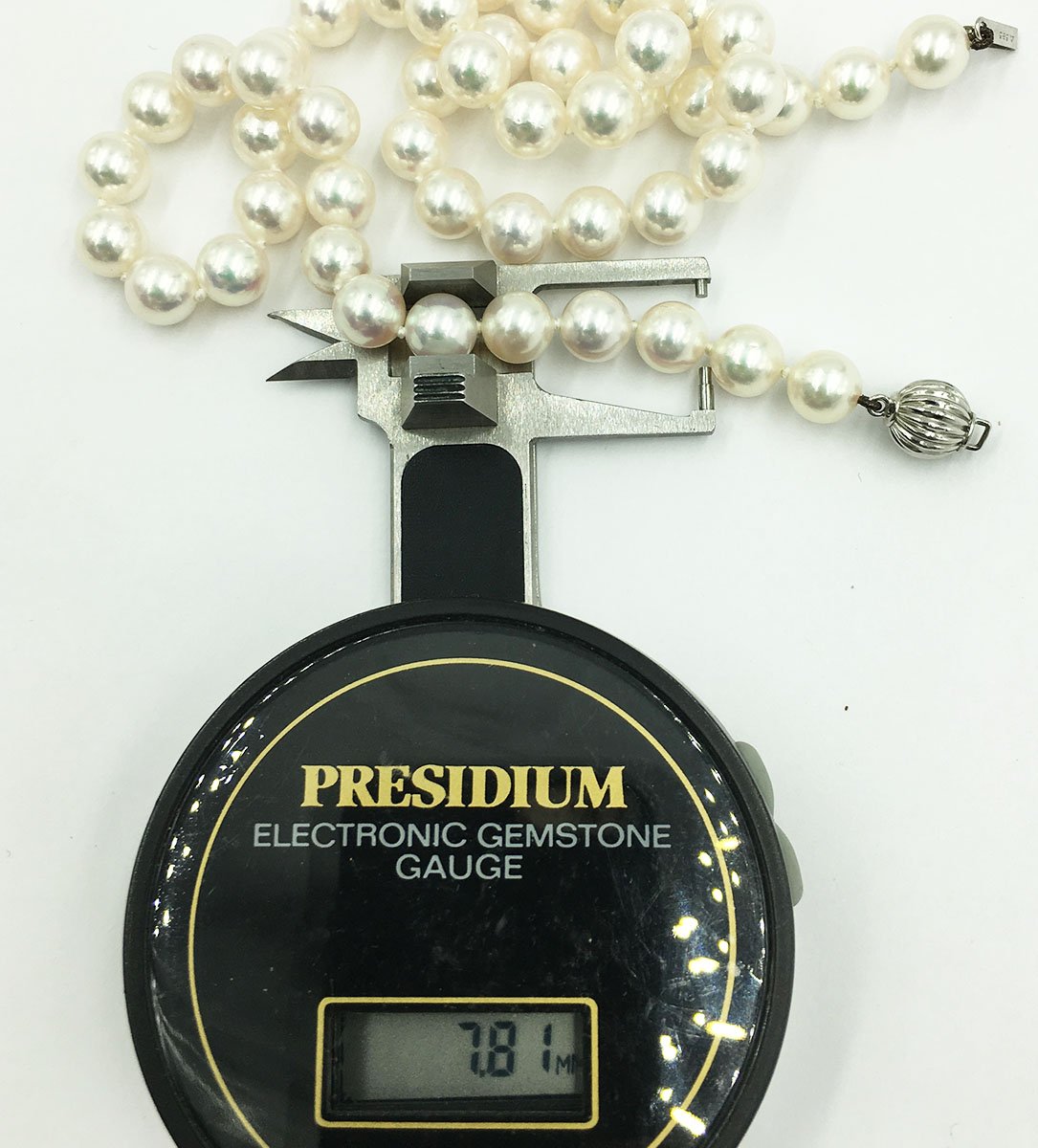
 You may have seen Pearls referred to by “grade”: A, AA, AA+, and AAA. But how is that grade determined? Much like the 4 C’s of Diamonds, there are established benchmarks to determine the quality of pearls. Six factors are evaluated in order to determine the quality and therefore the value of pearls. Those factors are size, shape, color, surface, nacre and luster.

Some of those factors are more straightforward than others – take size, for example. When all other value factors are equal, larger pearls are rarer and more valuable than smaller pearls of the same type. Pearls are measured by their diameter in millimeters. Even a one millimeter increase in pearl size is a substantial jump in both appearance and value.
Shape is also fairly easy to understand . A perfectly round pearl is the most difficult shape to culture, making it the rarest cultured pearl shape. Again, if all other factors are equal, a perfectly round pearl is generally the most valuable. There are some shapes that are exceptions to that rule though. If well-formed, a pear, oval, or baroque (irregularly shaped) cultured pearl can also be valuable. And while Baroque pearls can be lustrous and appealing, they will typically cost less than round pearls. They are sometimes known as Potato Pearls.
Pearls are found in a wide range of colors, although all pearl colors tend to be soft or muted. The color is described by three components, Pearl color can have three components. The body color is the pearl’s dominant overall color. Overtone is one or more translucent colors that lie over a pearl’s body color. And orient is a shimmer of iridescent rainbow colors on or just below a pearl’s surface. All pearls display body color, but only some show overtone, orient, or both.

The value of a color is largely tied to the current trends – if a color is in demand, it will become more valuable. Most people automatically picture a white Akoya cultured pearl as it is the pearl most commonly used in necklaces. Some Tahitian saltwater cultured pearls have a color intensity that’s almost like neon lights. And a Black Tahitian Pearl is not in fact black – generally they are charcoal grey, silver, or dark green.
Most pearls never achieve perfection. Imperfections on the pearls surface determine it’s surface quality. Some might have abrasions that look like a series of scratches on the surface, or an irregular ridge that looks like a crease or wrinkle. The more imperfections present, the more they will detract from the look of the pearls, decreasing value significantly. Those imperfections also compromise the structure of the Pearl, making it weaker and Small imperfections can sometimes be hidden with a mounting or a drill hole.
Luster and nacre quality are closely related.
 Nacre is the natural substance that a mollusk secretes to protect itself from irritants such as shell fragments, parasites or implanted beads. It is a strong, resilient material; lightweight and transparent, allowing light to pass through its surface. A thin layer of nacre will cause the pearl to have a dull, chalky appearance.
The nacre quality affects the luster as well as the durability of the pearl. Nacre is also the beautiful iridescent coating on the inner surface of the mollusk’s shell. That coating is known, appropriately, as Mother Of Pearl.

Luster is the measure of quantity and quality of light that is reflected from the surface, or just under the surface of a pearl. It is what gives a natural or cultured pearl its unique beauty. The luster of good quality pearls is sharp and bright. You should be able to see your reflection clearly on the surface of a pearl. Any pearl that appears too white, dull or chalky, is of low quality.
Within a pearl type, when other value factors are equal, the higher the luster, the more valuable the pearl.
“Matching” A jewelry designer will sometimes deliberately mix colors, shapes, and sizes for unique effects. For most pearl strands, earrings, or other multiple-pearl jewelry, the pearls should match in all the quality factors, especially size. The better the matching, the more valuable the piece will be.

At Grants Jewelry, we can get pearls of any type and color. Traditional strands are sold in 18″ lengths, with AA+ quality Akoya Cultured Pearl Strands starting at $4,700 per strand. Contact Susan today to create the perfect pearl necklace for you! Call (212) 398-1256 or email [email protected].
Sources: GIA.edu, Wikipedia
Interested in more stories like this? Join Us On Social Media.
We also send periodic email announcements and a monthly newsletter with clips to our favorite News & Events stories. Subscribe today.
[salesforce form=”2″]
You may recall that Emeralds were our focus last month. As the birthstone for the month of May, the gem…

You may recall that Emeralds were our focus last month. As the birthstone for the month of May, the gem was the featured stone on the website and the highlight of May’s Event here in the showroom. Now, like many other jewelers, this month we turned our attention to Pearls, but it seems that the Emerald is not quite ready to give up the spotlight!
First was an emerald that made the headlines due to it’s massive size. Recently it was announced that a giant emerald, measuring 4.3 feet and weighing a whopping 794 pounds,had been discovered in the north of Brazil. The precious stone was found 656 feet below the surface of the Carnaiba mine in the Pindobacu district, by the Bahia Mineral Cooperative.
The emerald is the second of its kind found in the region. The Bahia Emerald was discovered in 2001, and subsequently was transported to the United States illegally. It became the subject of a legal dispute between Brazil and the United States, until it was decided in 2015 it would remain in the United States.
It was featured in an article in Wired Magazine earlier this year, “The Curse of the Bahia Emerald, a Giant Green Rock That Ruins Lives.” Ownership has been claimed by at least 14 individuals as well as 2 countries. The emerald has been tied to numerous lawsuits, blamed for bankruptcies, and linked to house fires and kidnappings.

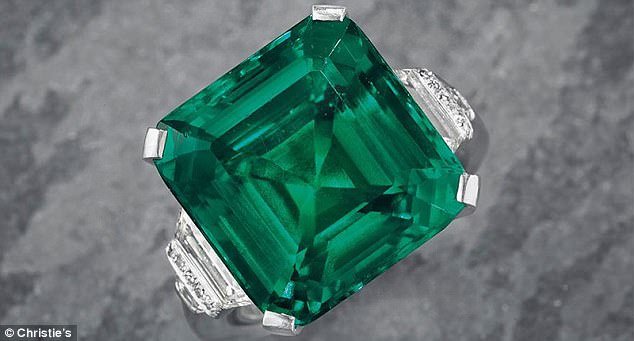
Yesterday, another emerald made headlines. The flawless Colombian emerald known as the “Rockefeller Emerald” sold at auction for more than $5.5 million. The rare, untreated emerald was originally purchased by John D. Rockefeller from Van Cleef & Arpels in 1930. It was the centerpiece of a brooch purchased as a gift for his wife, Abby Aldrich Rockefeller. After her death, Rockefeller had the brooch disassembled, and the emeralds were given to his children. Son David had the largest of those emeralds mounted in a diamond and platinum ring.
The emerald is described as “exceptional, possessing an unusual combination of size, provenance, absence of treatment and quality factors” that make it rare and desirable. Most emeralds require an oil treatment to enhance their brilliance and color, but this stone is untreated.
The emerald was the highlight of Christie’s ‘Magnificent Jewels’ sale on June 20th. The buyer was Harry Winston, who immediately rechristened it the Rockefeller-Winston Emerald.
Next week, it’s back to the Pearl. Unless some other gem steals the spotlight that is.
Interested in more stories like this? Join Us On Social Media.
We also send periodic email announcements and a monthly newsletter with clips to our favorite News & Events stories. Subscribe today.
[salesforce form=”2″]
The worldwide community of museums will celebrate International Museum Day on and around 18 May 2017. The International Council of Museums (ICOM) established International Museum Day in 1977…
Read story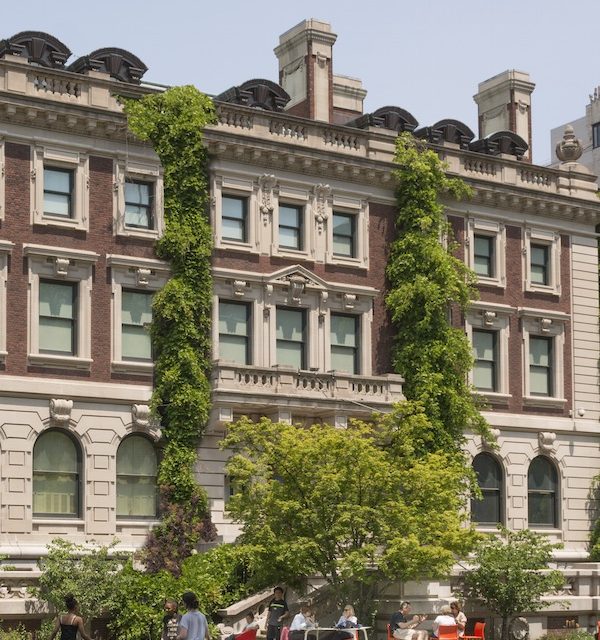
The worldwide community of museums will celebrate International Museum Day on and around 18 May 2017. The International Council of Museums (ICOM) established International Museum Day in 1977 to increase public awareness of the role of museums in the development of society, and it has been steadily gaining momentum ever since. In 2016, International Museum Day garnered record-breaking participation with more than 35,000 museums hosting events in some 145 countries.

The theme of International Museum Day 2017 is Museums and contested histories: Saying the unspeakable in museums.
This theme focuses on the role of museums as hubs for promoting peaceful relationships between people. It also highlights how the acceptance of a contested history is the first step in envisioning a shared future.
New York City is home to top-notch museums in art, architecture, photography, natural history, television, radio and technology – NY.com says there are 83 museums in total among the 5 boroughs! You can find a listing and links HERE.
Just last week, we were looking at Art Deco jewelry. During the Art Deco period (1910 – 1939) influences that fueled design burst of innovation, exoticism, and modernity flowed back and forth across the Atlantic. Jazz music, a uniquely American art form, also found a ready audience in Europe. An apt metaphor for the decade’s embrace of urbanity and experimentation, jazz captured the pulse and rich mixture of cultures and rhythms that brought a new beat to contemporary life.
 This era is currently being celebrated in The Jazz Age: American Style in the 1920’s, the first major museum exhibition to focus on American taste during the creative explosion of the 1920’s. The Jazz Age is a multi-media experience of more than 400 examples of interior design, industrial design, decorative art, jewelry, fashion, and architecture, as well as related music and film at The Cooper-Hewitt, National Design Museum, Smithsonian Institution.
Located at 2 East 91st Street between 5th and Madison Avenues, Cooper Hewitt is housed in the former residence of Andrew Carnegie, a New York City and national historic landmark. The Jazz Age will be on display at Cooper Hewitt now through Sunday, August 20 2017.
Also on display at Cooper Hewitt is Jeweled Splendors of the Art Deco Era: The Prince and Princess Sadruddin Aga Khan Collection. The display features jeweled objects that highlight the creative and spirited era broadly examined in The Jazz Age: American Style in the 1920s and showcase the collecting skills of Prince and Princess Sadruddin Aga Khan. The Prince and Princess valued intricately detailed pieces – Persian miniatures, early books and manuscripts – and their eye for complex creations is manifest in the pieces on display.
Interested in more stories like this? Join Us On Social Media.
We send periodic email announcements and a monthly newsletter with clips to our favorite News & Events stories. Subscribe today.
[salesforce form=”2″]
Join Us Wednesday, Sept 22 from 4 -8pm for The 5th Annual Sapphire Event! Learn about Sapphires Sapphire is a precious gemstone, a variety of the mineral corundum.…
Read story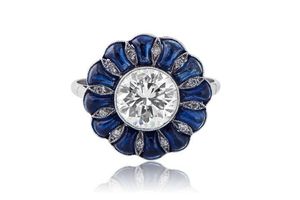

Sapphire is a precious gemstone, a variety of the mineral corundum. It is typically blue, but natural “fancy” sapphires also occur in yellow, purple, orange, and green colors. Prized throughout the ages, padparadscha sapphires are as beautiful and exotic as their name. The term padparadscha is derived from the Sinhalese word for a salmon colored lotus blossom. Overall, padparadscha sapphires are pinkish orange in color, but do vary in hue and tone.
Greeks wore sapphire for guidance when seeking answers from the oracle. Buddhists believed that it brought spiritual enlightenment, and Hindus used it during worship.

Interested in more stories like this? Join Us On Social Media.
Given the rarity and value of diamonds, it’s not surprising that some would seek ways to replicate their beauty. In recent years, laboratory-grown or synthetic diamonds have become…
Read story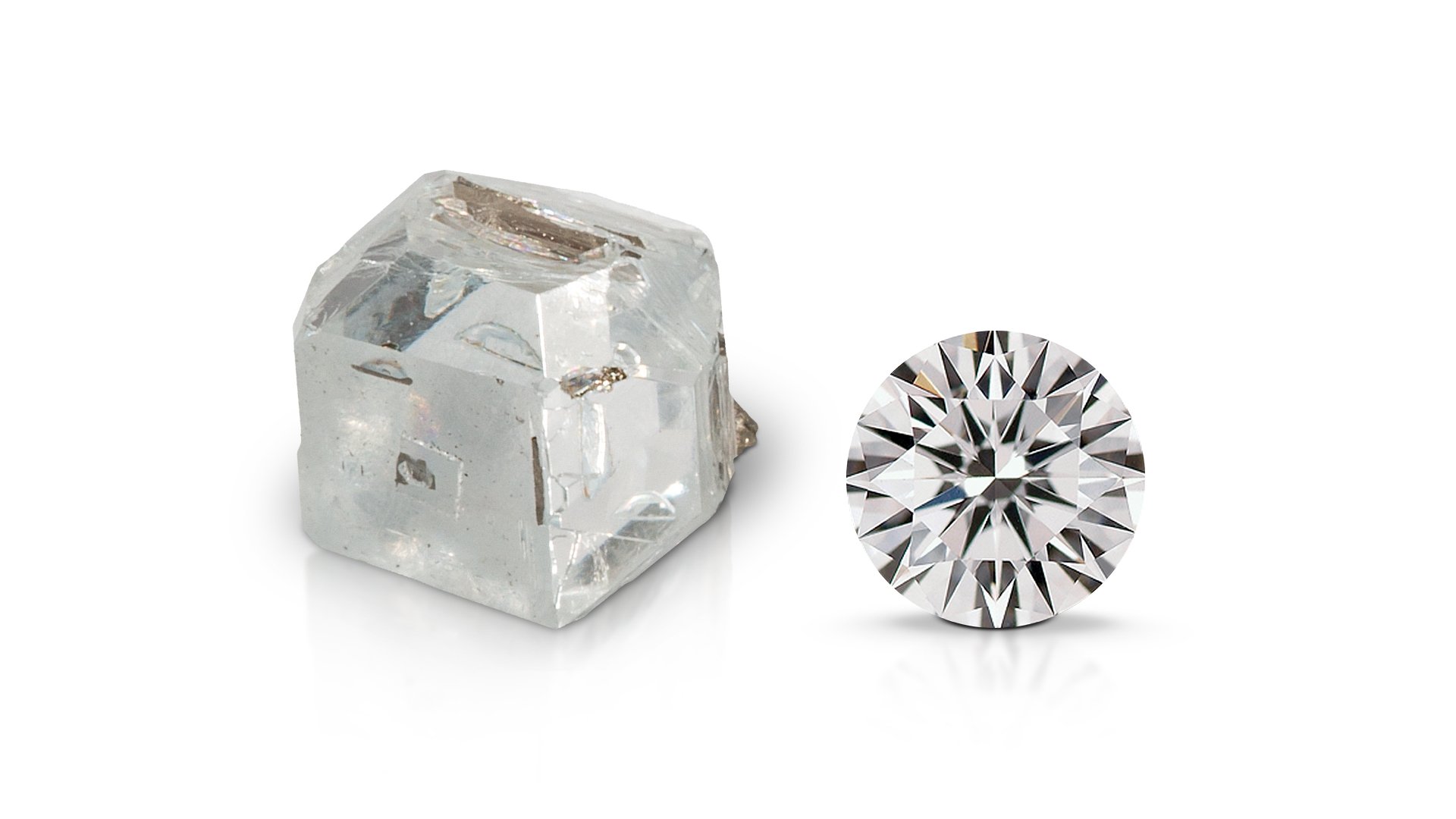
Given the rarity and value of diamonds, it’s not surprising that some would seek ways to replicate their beauty. In recent years, laboratory-grown or synthetic diamonds have become more common, more advanced, and harder to detect.

What is a Synthetic Diamond?
A synthetic diamond is the result of a technological process, as opposed to the geological process that creates natural diamonds. Synthetic diamonds have essentially the same chemical composition, crystal structure, optical, and physical properties of diamonds found in nature. Most synthetic diamonds are categorized as either high-pressure, high-temperature (HPHT) or chemical vapor deposition (CVD) diamonds, depending on the method of their production. Since HPHT and CVD diamonds are virtually identical to natural diamonds, differences only become clear when they are analyzed in a gem laboratory.

When Were They Created?
Many attempts were made to convert various cheap forms of carbon into diamond. The earliest successes were reported by James Ballantyne Hannay in 1879 and by Ferdinand Frédéric Henri Moissan in 1893. Many other scientists tried to replicate their experiments. The most definitive replication attempts were performed by Sir Charles Algernon Parsons.
In the 1940s, systematic research began in the United States, Sweden and the Soviet Union to grow diamonds using CVD and HPHT processes. The first reproducible synthesis was reported around 1953. Those two processes still dominate the production of synthetic diamond.

Most industrial applications of synthetic diamond have long been associated with their hardness; this property makes diamond the ideal material for machine tools and cutting tools. Diamond is an excellent heat conductor, and is widely used in electronics and optics as well.

Growing Gemstones
Synthetic gem-quality diamond crystals were first produced in 1970 by GE, then reported in 1971. Although the GE stones and natural diamonds were chemically identical, their physical properties were not the same. The colorless stones produced strong fluorescence and phosphorescence under short-wavelength ultraviolet light, but were inert under long-wave UV. The first gem-quality stones were always yellow to brown in color because of contamination with nitrogen. Inclusions were common, especially “plate-like” ones from the nickel.

For growing gemstones, the most popular method is called chemical vapor deposition (CVD), which starts out with a tiny diamond “seed.” Each seed is made of a repeating lattice of carbon atoms — just like all diamonds. The seeds are placed inside a microwave plasma oven. The oven zaps natural gas into a plasma of carbon, which sticks to each seed and slowly builds up a diamond, atom by atom.
Starting a diamond lab isn’t particularly easy. A single machine can cost up to half a million dollars. Companies must also invest in materials and a highly skilled workforce that includes physicists and chemists. Still, the number of labs is growing.

Synthetic diamonds for use as gemstones currently represent approximately 2% of the gem-quality diamond market. The percentage of jewelry-quality diamonds will grow as advances in technology allow for larger higher-quality synthetic production on a more economic scale.
Interested in more stories like this? Join Us On Social Media.
We send periodic email announcements and a monthly newsletter with clips to our favorite News & Events stories. Subscribe today.
[salesforce form=”2″]
We’re continuing our spotlight on April’s Birthstone for just one more week. Today, meet the Fancy Colored Diamond. What Are Fancy Colored Diamonds? Typically, the term “Diamond Color”…
Read story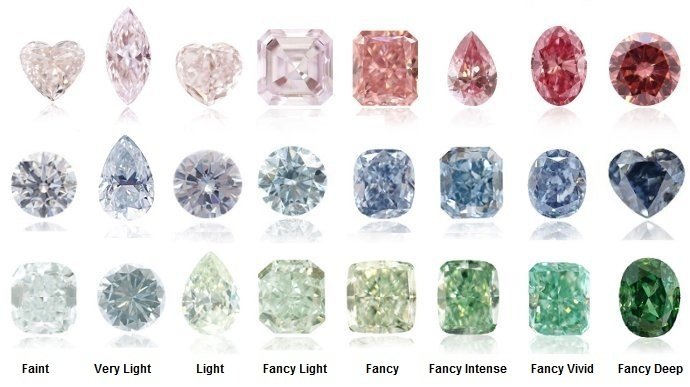
We’re continuing our spotlight on April’s Birthstone for just one more week. Today, meet the Fancy Colored Diamond.
What Are Fancy Colored Diamonds?
Typically, the term “Diamond Color” refers to the absence of color, which is a marker of quality along with the other 4Cs of Diamond Clarity, Diamond Carat Weight, and Diamond Cut. The majority of diamonds with color will have tints of yellow or brown, but diamonds are found in almost every color of the spectrum. Since most diamonds have a bit of yellow or brown, the colors outside of those hues are called “fancy colors.”

The creation of a natural color diamond is nothing short of a miracle. In addition to the extreme conditions that must be present for a diamond to form inside the Earth, minute amounts of trace elements must also interact with the carbon atoms to permanently alter the color. It is estimated that a diamond has only a 1 in 10,000 chance of possessing any natural color, regardless of the spectral hue, which makes any fancy colored diamond a true natural wonder.
How Are They Assessed?
The GIA Diamond Color Scale ranges from D to Z. Beyond Z color, diamonds are graded as Fancy Color with a separate set of parameters. Colorless, near colorless, faint and light diamond colors are graded from the face-down position. Laboratory graders assess fancy color diamonds from the face-up or top view of the diamond. They evaluate the overall color, the lightness or darkness of that color, and saturation or intensity of the color. They also look at secondary colors that may be present.
Diamonds in the colorless (D-Z) range generally decrease in value as the color becomes more apparent, however the opposite is true with fancy-colored diamonds. Their color is graded on a scale from Faint to Fancy Vivid. Those factors, along with the relative frequency (or rarity!) of finding a particular color will determine the cost of the stone. Grading fancy color diamonds is complex and specialized, and it takes highly trained laboratory graders to complete the process accurately. Certain shapes intensify fancy color – typically, the deeper the pavilion (bottom half of a diamond) the more color is returned to the eye.

Where Do They Come From?
Natural Fancy color diamonds are mined in Australia, Canada, Brazil, and throughout Africa. They are also created synthetically. Synthetic diamonds are only grown in three primary colors though: yellow, blue and white/colorless. Yellow diamonds grow the fastest, so they cost the least, and are available in the largest sizes. Irradiation, heating, and high-pressure, high-temperature treatments of those yellow diamonds result in the creation of synthetic colors. Treating a diamond that is larger than 1/3 carat usually results in a vivid, deep and dark color.
What Colors Do They Come In?

Diamonds are found naturally in every possible shade of the color spectrum. The most common colors however are Pink, Blue, Green, Yellow, Orange & Brown. Red, olive, purple, violet, gray and black diamonds also exist, however they are much more rare.
Pink diamonds range from delicate pastel to bubble gum pink to deep raspberry. They are typically associated with romance. Pinks have long been revered by Hollywood stars. Diamonds become pink when heat and pressure deep within the earth cause the crystal lattice to distort. One of the most well known pink diamonds is the Graff Pink, sold at auction last year. Others include the The Princie Diamond and The Steinmetz Pink.

Blue diamonds are considered extremely rare and mysterious. They range from the light blue sky of a winter’s day to the deep blue of the ocean. The vast majority of blue diamonds are blue due to the presence of boron. Probably the most famous blue stone is the ‘Hope Diamond.’ The Hope Diamond was originally 112.25 carats when it was purchased in India and sold to the French King Louis XIV.
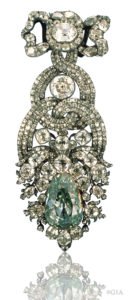
Green diamonds are extremely rare and highly valued, ranging from light mint greens to vivid grass greens. Only a handful of natural green diamonds are introduced into the market each year making green diamonds some of the most sought after of all the natural colors. The green color comes from being near radioactive sources during formation, but this process takes at least a million years to occur, hence their rarity. The Dresden Green is the most famous green diamond. Weighing approximately 41 carats, it is often referred to as the cousin of the Hope Diamond.
Yellow Diamonds capture the sun’s rays resulting in a dramatic and brilliant glow. They are very popular among celebrities for that very reason, and as a result, they are the most widely known of colors. In most yellow diamonds the nitrogen atoms have grouped themselves in very specific ways. This usually happens right after the diamond is formed. Some of the most famous fancy yellow diamonds are The Incomparable, The Tiffany Yellow, The Allnatt, The Florentine.

Orange diamonds come primarily from Africa, and range in shade from tangerine to amber. The interest in this color surged in 1997 with the auction of the Pumpkin Diamond, so named because it was purchased the day before Halloween.

Brown diamonds are the most common color variety of natural diamonds. The brown color makes them less attractive as gemstones because of the reduced glimmer, and most are used for industrial purposes. However, improved marketing programs, especially in Australia and the United States, have resulted in brown diamonds becoming valued as gemstones in recent years and even referred to as chocolate diamonds.
If you are interested in a colored diamond, give Susan a call today – 212-398-1256. And don’t forget the traditional diamonds – you can always find Diamond Essentials and other Fine Jewelry featuring diamonds on GrantsJewelry.com, and Susan will also help you locate the ideal diamond(s) for custom engagement rings.
We’ll have one last feature on Diamonds later this week, when we explore the creation of synthetic diamonds and what it means in the diamond industry.
Source: GIA, Natural Color Diamond Association
Interested in more stories like this? Join Us On Social Media.
We send periodic email announcements and a monthly newsletter with clips to our favorite News & Events stories. Subscribe today.
[salesforce form=”2″]
Sources:
We all know diamonds are a girl’s best friend. It looks like they soon may become good friends with your iPhone or Android smartphone as well. A company…
Read story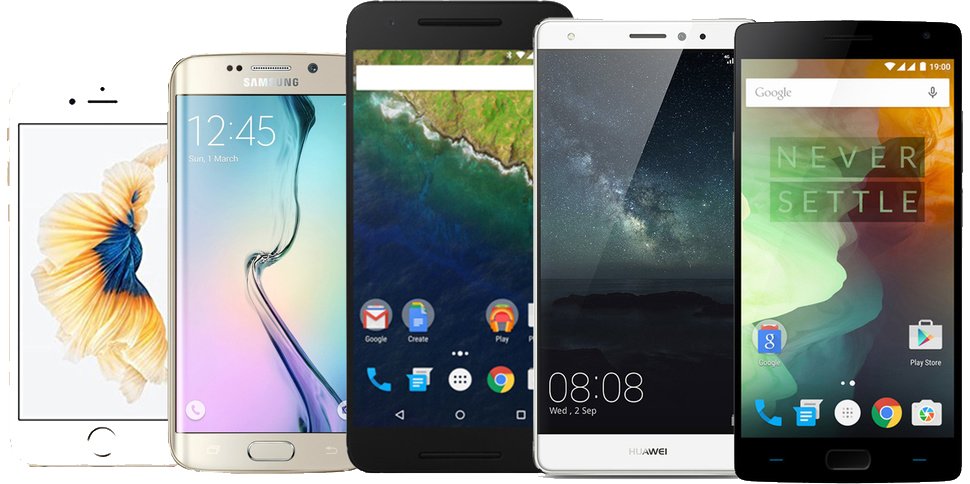
We all know diamonds are a girl’s best friend. It looks like they soon may become good friends with your iPhone or Android smartphone as well. A company developing ways to use synthetic diamonds to enhance electronics, plans to begin making glass smartphone screens coated with a microns-thick layer of diamond by the end of this year. The company says its “Diamond Glass” will be more scratch-resistant and less prone to shattering.

Estimates say that nearly a third of U.S. smartphone users have handsets with cracked screens – many continue to use those screens even after cutting a finger on them! Diamond is the hardest bulk material found in nature, and even synthetic versions are likely to be more resistant to scratching than the glass used to make most smartphone displays, or even the sapphire crystal that Apple used for Apple Watch displays.
Only three years ago a transparent film was the best option for protecting smartphone screens. The “new tech” (new at that time) used a transparent layer of electrodes on a polymer surface, which was extraordinarily tough and flexible.
It’s important to remember that a diamond coating will not necessarily protect the underlying glass screen from the force that dropping the device creates. And while screens coated with synthetic diamonds are expected to be more shatterproof than existing smartphone screens, their actual strength depends entirely on the way they are made. Structural defects can be introduced during the process due to variations in temperature or the size of the original diamond particles.

Diamonds are becoming the solution for many of the issues faced by science and technology in the past year. They are now sought after as replacements for silicon in semiconductors thanks to their heat resistance and other natural properties. And last year, diamonds made the cover of “Science” magazine when a team of researchers studied large “rough” diamonds to uncover clues about Earth’s geology and back up a theory that geologists have been working with for more than a decade.

Progress in technology means progress in the diamond industry as well. Phenomenal new products on the market help miners, manufacturers, traders, retailers and consumers to obtain the best products, with the most efficiency. Inclusion mapping – automatic scanning and mapping of rough diamonds – maximizes the polished yield. Blockchain Technology will help trace a diamond from mine to jeweler, and may help reduce fraud across the industry. And if you want to view a diamond up close, you can do so from anywhere in the world thanks to technology. 360 degree 3D viewers take dynamic images from every angle of a diamond, so it can be viewed as if you were holding it in your hand.

The spotlight on diamonds continues for just one more week, and we’ll cover Colored Fancy Diamonds and Synthetic Diamonds before April draws to a close. And don’t despair – the birthstone being featured here will change, but Susan’s knowledge of diamonds remains. You can always find Diamond Essentials and other Fine Jewelry featuring diamonds on GrantsJewelry.com, and Susan will help you locate the ideal diamond(s) for custom engagement rings. Give us a call today to find the perfect diamond for you – 212-398-1256.
Interested in more stories like this? Join Us On Social Media.
We send periodic email announcements and a monthly newsletter with clips to our favorite News & Events stories. Subscribe today.
[salesforce form=”2″]
Sources: Diamond in the Rough: Precious Gem Coating May Protect Smartphone Screens, Scientific American; Diamond Technology: 7 Ways Technology Makes Better Diamonds, Sarine.com,
Imperial Easter Eggs A Fabergé egg is a jeweled egg created by the House of Fabergé. Virtually all of these famous collectibles were manufactured under the supervision of…
Read story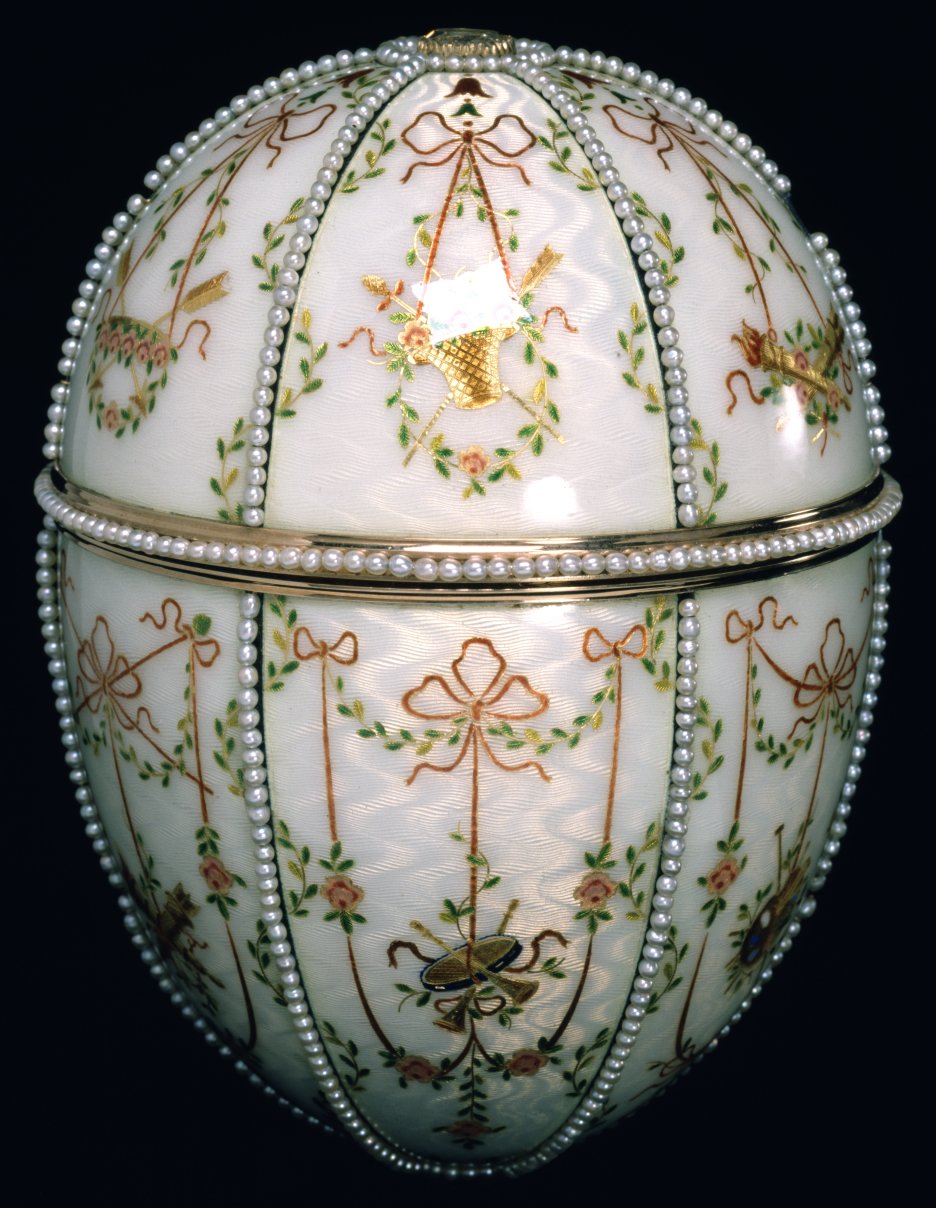
A Fabergé egg is a jeweled egg created by the House of Fabergé. Virtually all of these famous collectibles were manufactured under the supervision of Peter Carl Fabergé between 1885 and 1917. The first Fabergé egg was crafted for Tsar Alexander III, who had decided to give his wife, the Empress Maria Feodorovna an Easter egg in 1885. Some speculate that this gift was also meant to celebrate the 20th anniversary of their betrothal.

Known as the Hen Egg, that very first Fabergé egg was crafted from a foundation of gold. Its opaque white enameled “shell” opens to reveal a matte yellow-gold yolk. In turn, the “yolk” opens to reveal a multicolored gold hen, which also opens. The hen originally contained a minute diamond replica of the imperial crown from which a small ruby pendant was suspended, although the crown and pendant have been lost over time.

The gift was so successful that Alexander appointed Fabergé a “goldsmith by special appointment to the Imperial Crown”. He commissioned another egg the following year, and after that, Peter Carl Fabergé was given complete freedom for the design of future imperial Easter eggs. Their designs became more elaborate, and Fabergé family lore says that not even the Tsar knew what form they would take. The only requirements for Fabergé were that each egg contain a surprise and that each be unique.
In 2015, an anonymous man from the Midwest bought a golden egg at a jumble sale for $14,000, planning to sell it for scrap, and was disappointed in the amount he was offered. He brought the piece home, and googled the name engraved on the piece, “Vacheron Constantin”. His search brought up a 2011 article in Britain’s Daily Telegraph newspaper describing a “frantic search” for the object: The Third Imperial Easter Egg, made by Fabergé for the Russian royal family and estimated to be worth 20 million pounds ($33 million). The finder was far removed from the art and antiques world and so had not recognized the object’s true value.

The egg on the brink of being melted down for scrap in the U.S. had been the third made, Tsar Alexander III’s 1887 Easter gift to his wife. The 8.2-centimeter (3.2-inch) egg is on an elaborate gold stand supported by lion paw feet. Three sapphires suspend golden garlands around it, and a diamond acts an opening mechanism to reveal the Vacheron Constantin watch inside.
“It’s a very delicate and small object, and people never anticipate that Fabergé eggs can be that size,” said Kieran McCarthy, Fabergé expert. They imagine them to be “the size of the Empire State Building, with diamonds the size of footballs.” But the eggs were a celebration of Easter and love tokens, “so in a way, they are quite modest.” The Third Imperial Egg was purchased by a private collector.
While Peter Carl brought the name Fabergé to fame with the Imperial Egg Collection, the company’s roots are in jewelry. In 1842, Gustav Fabergé opened Fabergé as a jewelry store in a basement shop. Late comedienne Joan Rivers had a passion for Fabergé. Her collection included a rare and important jeweled and gold-mounted nephrite study of a lily of the valley leaf by Fabergé, circa 1900. Fresh bouquets of flowers were of great importance to court culture in late 19th-century St Petersburg, and lilies of the valley were the favourite flowers of Empress Alexandra Feodorovna. Rivers’collection also featured a gold, silver, chalcedony and diamond brooch by Fabergé, with the workmaster’s mark of Albert Holmström, St. Petersburg, 1904-1908.

In addition to jewels, Rivers had other pieces, including beautiful and diverse examples of Fabergé frames. Designed with Russian hardstones such as nephrite and rhodonite, as well as rich guilloché enamels, these frames represent the best of Fabergé’s ability to transform everyday objects into works of art. Her collection was auctioned by Christie’s in June of 2016. Helen Culver Smith, Head of the Russian Works of Art department at Christie’s, described the collection of Fabergé as ‘representing the superb craftsmanship that made the firm renowned.’
Interested in more stories like this? Join Us On Social Media.
We send periodic email announcements and a monthly newsletter with clips to our favorite News & Events stories. Subscribe today.
[salesforce form=”2″]
After the initial excitement of your engagement, or as you shop for your ring, you may find yourself wondering when the custom of giving a ring first began.…
Read story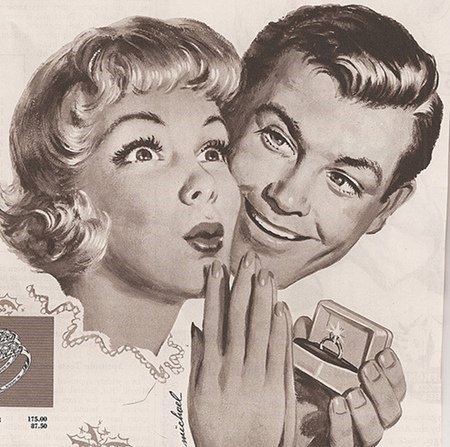
After the initial excitement of your engagement, or as you shop for your ring, you may find yourself wondering when the custom of giving a ring first began. And why? Anthropologists believe the tradition originated from a Roman custom – wives wore rings attached to small keys, indicating their husbands’ ownership.

Others cite a true origin in the 12th century, when Pope Innocent III laid down some new ground rules about weddings. All weddings had to take place in a church, and the bride had to receive a ring. Moreover, couples had to observe a new waiting period between their betrothal and marriage. At that time, European aristocrats began giving engagement rings to their beloveds while they counted down the days until they could actually wed.
In 1477, Archduke Maximilian of Austria commissioned the very first diamond engagement ring on record for his betrothed, Mary of Burgundy. This sparked a trend for diamond rings among European aristocracy and nobility.

The custom of giving Early Victorian engagement rings was not well established until the 1890s. Early-century brides were given “keeper” rings, a custom which began in 1761 with King George III and his intended, Princess Charlotte. George gave Charlotte a gold band encrusted with diamonds prior to their wedding. These keeper (or guard) rings later served to protect the wedding ring from slipping off the finger. This custom continued into the Early Victorian Era, so many of the rings call Early Victorian engagement rings today were originally crafted to be worn as wedding bands set into or behind said guard rings.
The Shift From Keeper Rings to Diamond Engagement Rings
The rock Archduke Maximilian of Austria gave to Mary of Burgundy in 1477 was actually an exception- Diamonds actually a fairly late addition to the traditional engagement ring. There simply weren’t all that many diamonds on the world market, so diamond engagement rings were rare – other gemstones were much more commonly used at that time.
In the 1870’s, miners began discovering huge veins of diamonds in South Africa, and they rapidly flooded world markets. Diamonds quickly went from scarce gem to common commodity, bad news for everyone in the diamond business. Mine owners realized they would have to take action to continue to profit from this increasingly common gem. So, in 1888, several major South African mines merged together to form De Beers Consolidated Mines, Ltd. The merger created a force that could effectively control the flow of diamonds from South Africa onto world markets. As diamonds became scarcer and more valuable, their popularity as the gem on engagement rings began to rise.

Who Said Diamonds Are Forever Anyway?
Today, we think of the diamond engagement ring as a time-honored tradition. Really though, that tradition is the result of a brilliant marketing plan that started in the late 1930s. Diamond demand and prices were steadily declining. A poor economy led consumers to favor more modest rings that included intricate metalwork rather than gems. DeBeers needed to jumpstart revenues, and so they approached New York ad agency N.W. Ayer for help.

The campaign that the agency created in response was undoubtedly one of the most effective of all time, convincing Americans that they desperately needed diamonds. A multi-pronged attack that completely overhauled Americans’ view of diamonds. The agency got Hollywood’s biggest stars to wear diamonds and encouraged leading fashion designers to talk up diamond rings as an emerging trend. In the first three years of the campaign, American diamond sales shot up by over 50 percent.

In 1947, De Beers launched its now classic slogan, “A Diamond is Forever” a line so elegant and effective De Beers is still using it almost 70 years later. The slogan helped underscore the diamond’s significance as an enduring, unbreakable symbol of love, and the sales of diamond engagement rings shot through the roof. Within 20 years, 80 percent of American brides were sporting rocks. The diamond’s purity and sparkle are now symbols of a man’s commitment to the woman he loves in practically every corner of the world.
Tradition grew as diamond cuts evolved, and today there are many diamond cuts and ring styles to choose from.
Browse Diamond Engagement Rings
Sources: American Gem Society, Mental Floss
Interested in more stories like this? Join Us On Social Media.
We send periodic email announcements and a monthly newsletter with clips to our favorite News & Events stories. Subscribe today.
[salesforce form=”2″]
Why Diamonds Are A Girl’s Best Friend It probably has something to do with the fact that diamonds are the most popular gemstone in the world. The saying…
Read story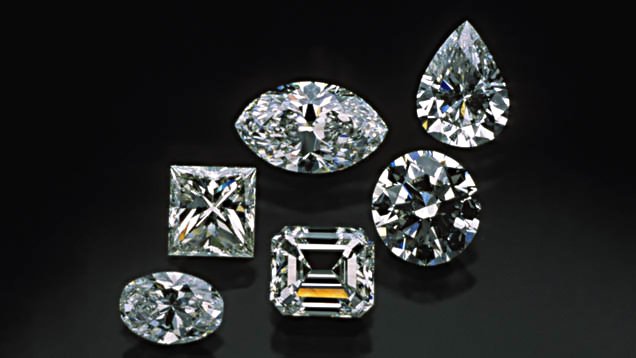

It probably has something to do with the fact that diamonds are the most popular gemstone in the world. The saying itself comes from a song of the same name featured in the original Broadway production of Gentlemen Prefer Blondes. Marilyn Monroe’s version, from the film version of Gentlemen Prefer Blondes, is considered the 12th most important movie song of all time by the American Film Institute. It is Monroe’s role as the gold-digging Lorelei Lee for which the film is often remembered, and that rendition of the song & the pink dress she wore in that performance are considered iconic.
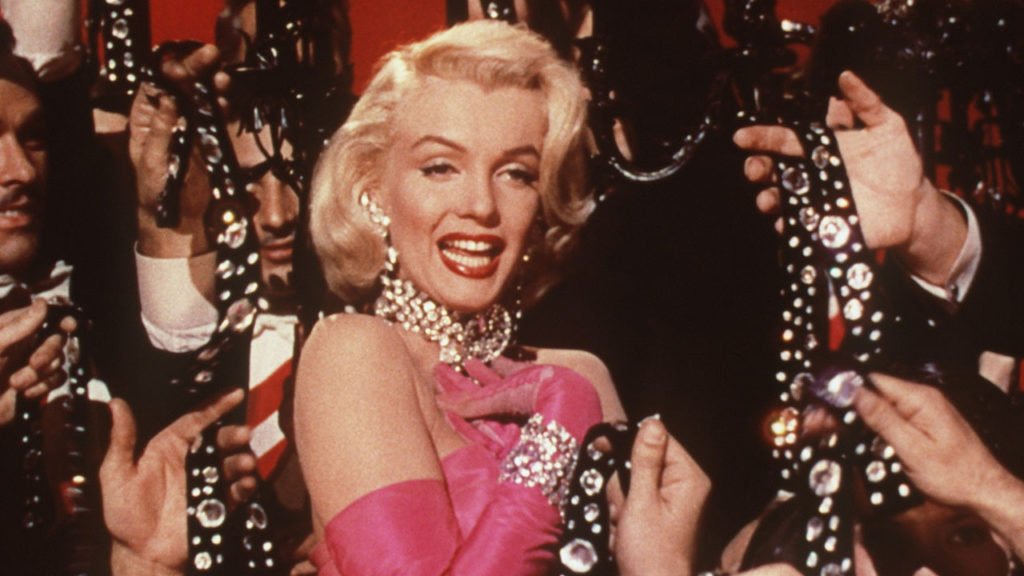

Diamonds are composed of the most common substance on earth: carbon. They are created when carbon is subjected to the extremely high pressures and temperatures found approximately 90-240 miles below the earth’s surface. The earliest diamonds were found in India in 4th century BC – those diamonds were likely formed 900 million years ago. The majority of these early stones were transported along the Silk Road, a network of trade routes that connected India and China. At that time the diamonds were valued because of their strength and brilliance, and for their ability to refract light and engrave metal. Diamonds were worn as adornments, used as cutting tools, served as a talisman to ward off evil, and were believed to provide protection in battle.

India was thought to be the only source of diamonds until the 18th Century. Once the Indian diamond mines were depleted, a quest for alternate sources began. In 1866, 15 year old Erasmus Jacobs was exploring the banks of the Orange River in Hopetown, South Africa. He came across a pebble that turned out to be a 21.25-carat diamond. In 1871, a colossal 83.5 carat deposit was unearthed on a shallow hill called Colesberg Kopje. These findings sparked a rush of thousands of diamond prospectors to the region and led to the opening of the first large-scale mining operation, which later came to be known as the Kimberley Mine. This newly discovered diamond source increased the world’s diamond supply substantially, resulting in a significant decrease in their value.
In 1880, Englishman Cecil John Rhodes formed De Beers Consolidated Mines in an effort to control the diamond supply. Although De Beers was successful in their efforts to control the supply of diamonds, demand for the stone was weak and by 1919, diamonds were devalued by nearly 50%.

Browse The Diamond Essentials Collection – Studs, Hoops, Bracelets, Pendants & Necklaces
Browse Diamond Engagement Rings
Interested in more stories like this? Join Us On Social Media.
We send periodic email announcements and a monthly newsletter with clips to our favorite News & Events stories. Subscribe today.
[salesforce form=”2″]
Watch as John Cena proposes to Nikki Bella: And we must say, the ring was quite the stunner! Congratulations John & Nikki! …
Read story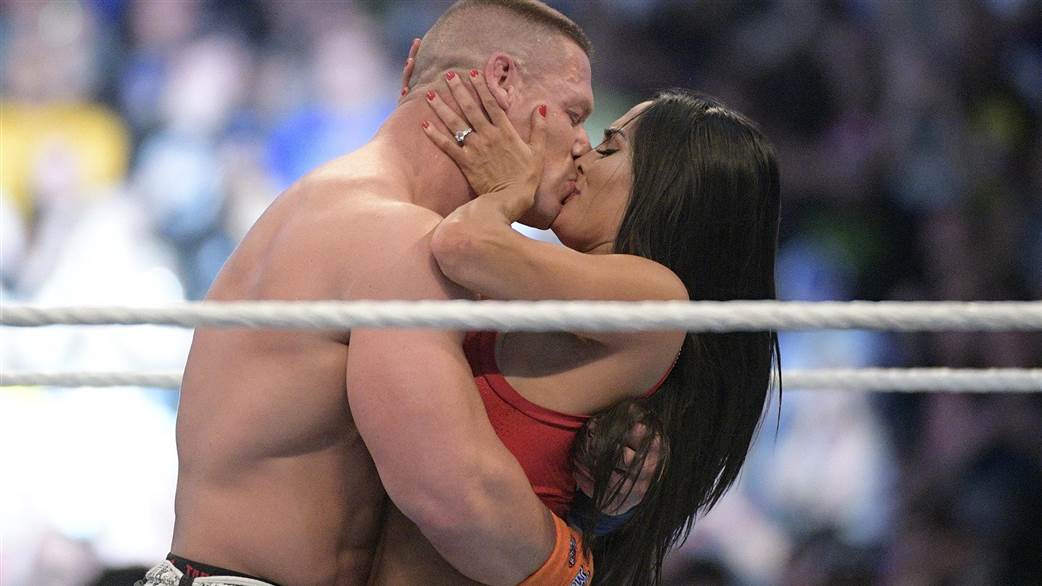
Watch as John Cena proposes to Nikki Bella:

And we must say, the ring was quite the stunner!
Congratulations John & Nikki!
Interested in more stories like this? Join Us On Social Media.
We send periodic email announcements and a monthly newsletter with clips to our favorite News & Events stories. Subscribe today.
[salesforce form=”2″]
March’s Birthstone: Aquamarine Aquamarine’s name comes from the Latin for seawater and it was said to calm waves and keep sailors safe at sea. March’s birthstone was also…
Read story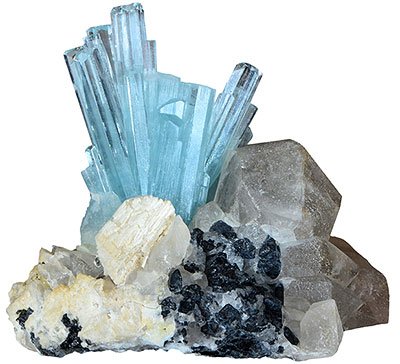

Aquamarine’s name comes from the Latin for seawater and it was said to calm waves and keep sailors safe at sea. March’s birthstone was also thought to enhance the happiness of marriages. The best gems combine high clarity with limpid transparency and blue to slightly greenish blue hues. Like many beryls, aquamarine forms large crystals suitable for sizable fashioned gems and carvings.
Aquamarine is a valued gem of ancient lineage. In the 19th century, sea green varieties of the stone were the most popular, but today, the more blue the color, the more valuable the stone. In 1910, the largest ever aquamarine was found in Brazil, weighing 243 pounds. It was then cut into smaller stones, yielding over 200,000 carats.


The Romans believed that if the figure of a frog were carved on an aquamarine, it served to reconcile enemies and make them friends.
Another Roman legend stated that the stone absorbs the atmosphere of young love: “When blessed and worn, it joins in love, and does great things.” Aquamarine was considered the most appropriate morning gift to give to a bride by her groom following the consummation of their marriage.
The Greeks and the Romans knew the aquamarine as the sailor’s gem, ensuring the safe and prosperous passage across stormy seas. In Medieval times, the stone was thought to reawaken the love of married couples. It was also believed to render soldiers invincible.
Egyptian and Hebrews admired and valued aquamarine as a symbol of happiness and everlasting youth. In Europe, Aquamarine was believed to be an antidote against poison. Poisonings of royalty were common at the time, so the gem was in popular demand.
Writers of the middle Ages claimed aquamarine was the most popular and effective of the “oracle” crystals. Many methods of using the stone as a divining tool can be found in ancient literature.
Aquamarine refers to beryl that is pale blue, light blue-green, or even light green. It is usually clear, but iron content gives it its blue/green color. Depending on which angle you look at an aquamarine, it may look blue, green, or colorless. This is called a pleachroic effect. Most aquamarines are now heat treated to enhance the color, which causes the blue color to emerge and the yellow/green tones to disappear. The light color tone of the aquamarine complements all precious metals. Many aquamarine stones are virtually free of inclusions.

The best quality stones are from Brazil, where crystals weighing several kilos have been found. Other places aquamarine is found are the Soviet Union, Madagascar (where a dark blue variety is found), the United States, Afghanistan, Pakistan, India and Nigeria.

Aquamarine is a relatively easy stone to cut and is often found in innovative shapes, as cutters experiment with new forms. The most common cut for an aquamarine is the emerald type, followed by oval or pear shaped cuts. It rates a 7.5 to 8 on the hardness scale, making it quite a durable stone to wear. Large aquamarine stones, ranging from several carats to more than ten carats are relatively common.
Stay tuned for more on Aquamarine – a deeper look at quality factors, and more on the healing properties that many believe Aquamarine can offer in future posts!
Sources: GIA, American Gem Society
Interested in more stories like this? Join Us On Social Media.
We send periodic email announcements and a monthly newsletter with clips to our favorite News & Events stories. Subscribe today.
[salesforce form=”2″]
Last week we talked about February’s Birthstone, the amethyst. Take a look at some of these stunning examples of Amethyst Jewelry over the years. An Egyptian Amethyst necklace…
Read story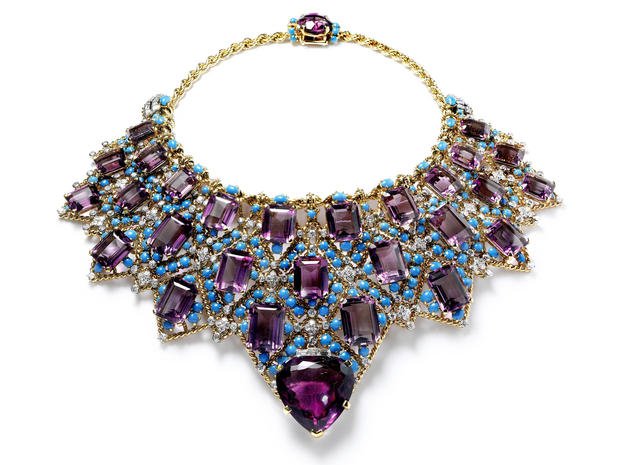
Last week we talked about February’s Birthstone, the amethyst. Take a look at some of these stunning examples of Amethyst Jewelry over the years.
An Egyptian Amethyst necklace featuring an 8th century BC. inscription. The use of amethyst in Egypt dates back as far back as 3100 B.C. The Egyptians primary source for their supply of amethyst came from Nubia, once a province of ancient Egypt. It was a favorite of Egyptian Pharoahs, most often used for personal adornment.

Despite its name, the infamous “Delhi sapphire” is in fact a purple amethyst! The stone was stolen from an Indian temple and is said to be cursed! The amethyst was found by a young curator in the British Natural History Museum’s vaults, along with a letter from its previous owner warning that it brought bad luck. He ignored the message in the letter, and took the stone to a science symposium, where he was caught in a horrific thunderstorm and fell ill with kidney stones. Despite this amethyst’s dangerous reputation, it is currently on display in the Natural History Museum in London.

The Morris Amethyst Brooch, set with a 96-carat heart shaped amethyst, is in the collection of the Smithsonian Institution, National Museum of Natural History. The amethyst is probably from Brazil and exhibits a deep rich purple color. This piece was most likely made during the Edwardian period (1901-1915) when jewelry featured lacy filigree designs that were light and delicate as the clothing at the time, with a sense of refined elegance and luxury. Amethyst, a favorite stone of King Edward VII’s wife, Alexandra, was often included in jewelry of the era.

Queen Silvia of Sweden’s tiara is set with amethysts that were originally owned by the French Empress Josephine. The tiara actually didn’t start out as a tiara at all; in fact, it’s only been a tiara for a few decades. Instead, the piece was originally a necklace made of diamonds surrounding fifteen large amethysts.

The Duchess of Windsor amethyst and turquoise necklace was created by Cartier for Wallis Simpson, the Duchess of Windsor, in 1947.

Commonly, a Bishop’s ring is an oval shaped amethyst, usually very large, with the diocesan seal engraved directly into the flat surface of the gem. In earlier times the ring was always worn on the middle finger of the Bishop’s right hand. This ring was very visible when the Bishop raised his hand and gave a blessing.

Interested in more stories like this?
Follow us on Facebook. Follow us on Twitter.
We send a monthly newsletter with clips to our favorite News & Events stories. Subscribe today.
[salesforce form=”2″]
The diversity and culture in NYC is one of the many reasons we are proud to call this vibrant city home. It was a day of romance in…
Read story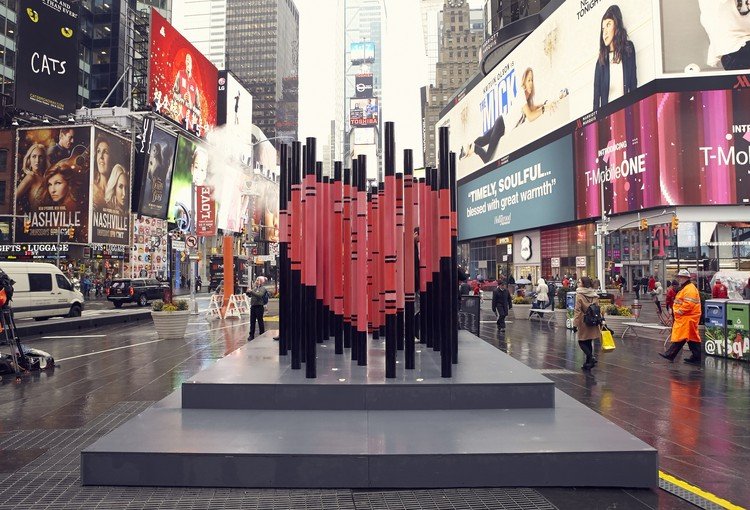
The diversity and culture in NYC is one of the many reasons we are proud to call this vibrant city home. It was a day of romance in Times Square yesterday – proposals, weddings and vow renewal ceremonies.

Couples from around the world made promises and kicked off engagements during an all day-long event hosted by the Times Square Alliance.

For some couples in the Tri-State area, Times Square plays a significant role in their relationship – It was the site of their first date perhaps. As a result, many decided to brave the cold temperatures and say “I do” in front of friends, family and complete strangers. Hotels in the area were also hard to come by – many couples traveled thousands of miles to celebrate Valentine’s Day in NYC, specifically in Times Square. Piertro Reyes traveled all the way from Chile to propose to his girlfriend Marcarena, and said the 5,200-mile trip was absolutely worth it. (She said yes!)

The Times Square piece is about much more than romance though. This 9th Annual Valentine’s heart “champions the value of diversity in the city, and specifically the city’s immigrant populations, new and old, at a time when they are increasingly under siege,” according to the project description. 33 pink and red columns make up the work, each segment representing a different nationality of New York’s three million immigrants. If you face the artwork head on, the poles align, revealing the shape of a heart. “We Were Strangers Once Too”, as the display is named, is meant to acknowledge and say thank you to the diverse communities of NYC for their many contributions historically, currently and into the future, according to the Times Square Alliance. It will be on display in Times Square at Father Duffy Square, between 46th and 47th Streets, February 7–March 5, 2017.

Love was also in the air at the Empire State Building, where the 14 couples who won the 23rd annual Valentine’s Day Weddings Contest exchanged vows during ceremonies throughout the day. The couples then celebrated with an overnight stay and other gifts.
While some people have had their plans in place for months, there are others of us who are starting to get a little nervous. After all, Valentine’s Day…
Read story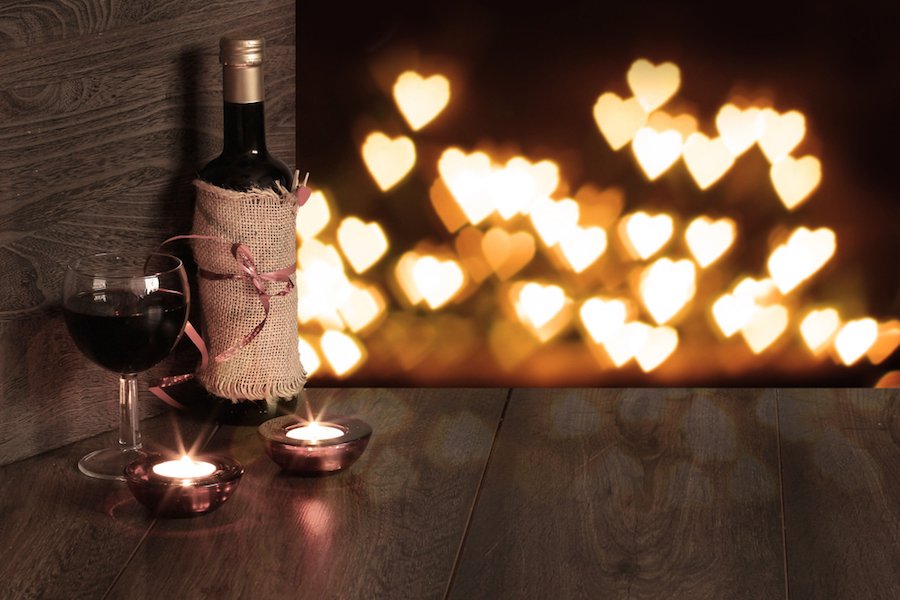
While some people have had their plans in place for months, there are others of us who are starting to get a little nervous. After all, Valentine’s Day is in only SIX days, and there’s a lot of pressure to make it the perfect evening for your significant other. If you are one of the procrastinators, don’t stress – Here are some ideas to get you thinking.


Now that you have some ideas, get planning! Whatever you do, don’t forget the perfect gift. Diamond Essentials and Fine Jewelry are still available – find earrings, pendants, bracelets and more for any style and every budget. Call Susan today at (212) 398-1256 to be sure that your Valentine’s Day will sparkle and shine.

Interested in more stories like this?
Follow us on Facebook. Follow us on Twitter.
We send a monthly newsletter with clips to our favorite News & Events stories. Subscribe today.
[salesforce form=”2″]
Dark Beginnings Far from today’s flowers, jewelry & romance, Valentine’s Day history includes much darker topics, including beheadings, martyred saints, and pagan rituals. While the exact origins of…
Read story
Dark Beginnings

Far from today’s flowers, jewelry & romance, Valentine’s Day history includes much darker topics, including beheadings, martyred saints, and pagan rituals. While the exact origins of Valentine’s Day remain murky, some historians consider the Ancient Roman feast Lupercalia, held from February 13 to 15, the holiday’s earliest iteration. During the festivities, Roman priests sacrificed a goat and a dog, and whipped women in the belief that it would make them more fertile. The ritual also included a matchmaking session, with bachelors selecting the names of their “sweethearts” from an urn.
Ancient Romans may also be responsible for the name of our modern day of love. Emperor Claudius II executed two men — both named Valentine — on Feb. 14 of different years in the 3rd century A.D. Their martyrdom was honored by the Catholic Church with the celebration of St. Valentine’s Day. In 496 A.D. Pope Gelasius declared February 14 as the First Feast Day of Saint Valentine. Around the same time, the Normans celebrated Galatin’s Day. Galatin meant “lover of women.” This celebration may have been confused with St. Valentine’s Day at some point.

The Day Gets Sweeter
Chaucer and Shakespeare romanticized Valentine’s Day in their works, and the day started to gain popularity throughout Britain and the rest of Europe. In the 1375 poem “Parliament of Foules,” Geoffrey Chaucer wrote, “For this was sent on Seynt Valentyne’s day / Whan every foul cometh ther to choose his mate.” Handmade paper cards became the tokens-du-jour in the Middle Ages. The oldest known Valentine dates back to 1415, sent by an imprisoned Duke to his wife.
A Hallmark Holiday
As Valentine’s Day made it’s way to America, the industrial revolution was underway. Factory-made cards were introduced in the 19th century. In 1913, Hallmark Cards of Kansas City, Mo., began mass producing valentines, and the commercial Valentine’s Holiday as we know it was born. The holiday is not losing momentum either — Valentine’s Day sales reached an all-time high of $19.7 billion in 2016. According to the Greeting Card Association, an estimated 1 billion Valentine’s Day cards are sent each year, making Valentine’s Day the second largest card-sending holiday of the year.

Not Only For Lovers

Valentine’s Day is not only about couples anymore. Half of the American population identifies as single, and of these people, a quarter say they plan to do something for Valentine’s Day. On average, a single man will spend $71 during the holiday and a single woman will spend $40. In fact, some studies show that more people intend to buy gifts for friends than for significant others this year. And many people plan to spend money on their pets as well. In 2016, a reported 19 percent of people bought Valentine’s Day gifts for their furry friends for a total of $681 million.
Don’t Worry Though, Romance Is Not Dead
Fifty percent of marriage proposals happen on Valentine’s Day, and on the search for engagement rings peaks during the first seven days of February. In 2016, American consumers spent $4.5 billion on jewelry for Valentine’s Day. Heart shaped earrings or pendants, diamond jewelry, rubies or pink sapphire – there are jewelry gifts in every price range. See our Valentine’s Day Jewelry Gift Guidelines for more.
Interested in more stories like this?
Follow us on Facebook. Follow us on Twitter.
We send a monthly newsletter with clips to our favorite News & Events stories. Subscribe today.
[salesforce form=”2″]
Chocolates or roses might nice, but a special piece of jewelry can communicate just how special your significant other is to you. Following are some guidelines to help…
Read story
 Chocolates or roses might nice, but a special piece of jewelry can communicate just how special your significant other is to you. Following are some guidelines to help you choose the perfect Valentine’s Day Jewelry Gift.
First, don’t feel relegated to just buying diamonds. Valentine’s Day, being customarily associated with the color red, is a great fit for rubies or pink sapphires. Fancy colored diamonds work here too!
Consider her personality when choosing. Is she trendy? Chokers are among the early trends in 2017. If she’s more eclectic, think about a unique cuff bracelet. Is her style more retro? What about a vintage style pendant?

 Take into account how long you have been together when deciding what to purchase. If it’s your first Valentine’s Day, consider something simple, but still romantic, such as earrings. Diamond studs come in many shapes and sizes, and are very affordable.
The longer you have been together, the more elaborate your gift can be. Or consider the pieces she already has in her jewelry box. If she has diamond studs and a diamond pendant, consider diamond hoops. If she has a Diamonds By The Yard Necklace, consider a Tennis Bracelet.
If you’ve been celebrating your love for decades, maybe it is time for an extravagant fine jewelry gift. Consider a luxurious bracelet, or a one-of-a-kind cocktail ring.


One rule the experts all agree on: Don’t buy your significant other a ring if you’re not already married. It could be catastrophic if she opened a ring box and it wasn’t a proposal, no matter how pretty the ring! But if you are ready to propose, Susan will help you create the ring she is dreaming of.
Whatever you choose, there aren’t many girls who will be so upset by a surprise jewelry gift. But starting your shopping now will give you the time to choose a thoughtful gift that perfectly expresses your Valentine’s Day feelings. Call Susan today at (212) 398-1256 to get started!
When it comes to pearls, most people, including myself think of very well behaved girls, grandmothers and the 50’s. Lately though, designers have been breathing new life into…
Read story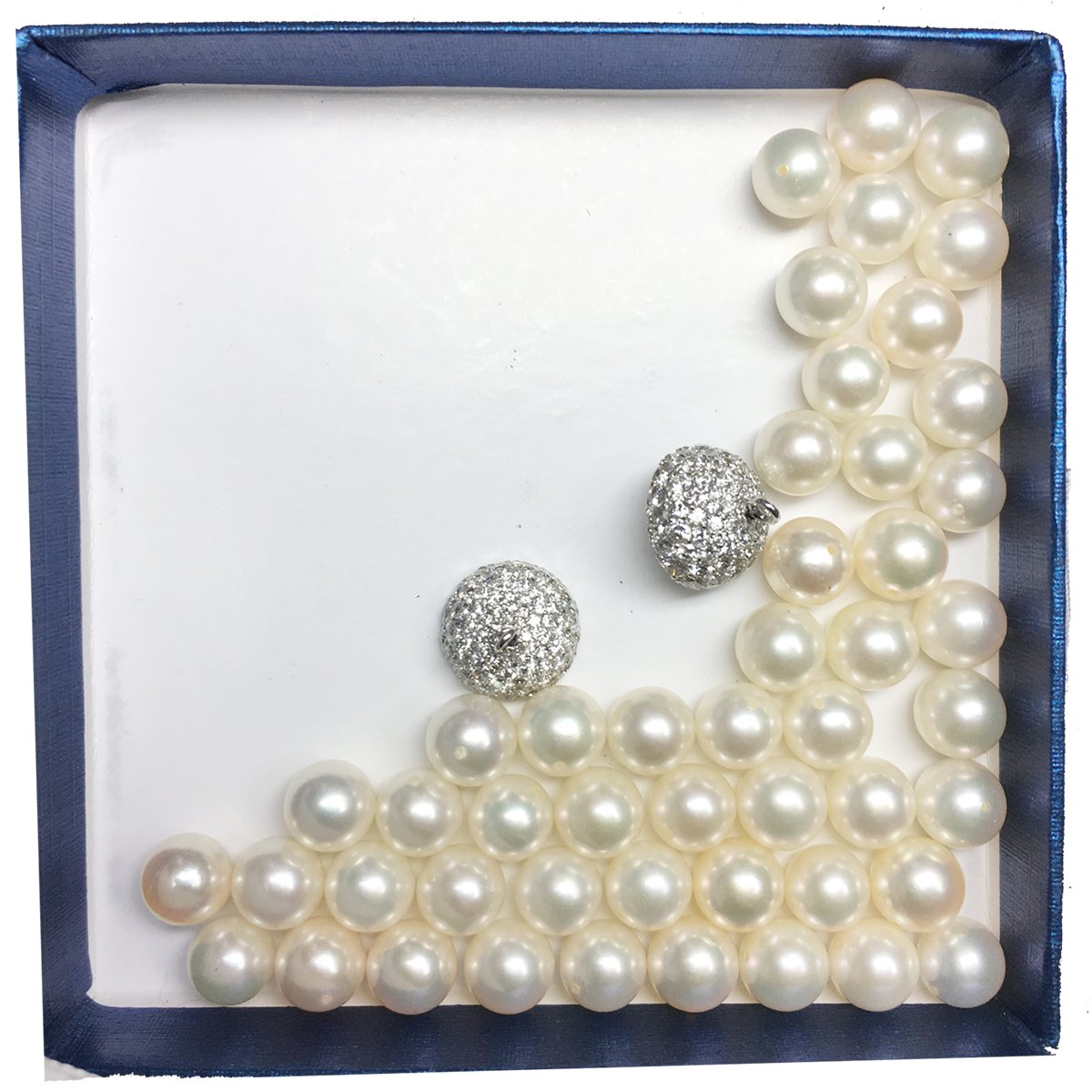
When it comes to pearls, most people, including myself think of very well behaved girls, grandmothers and the 50’s. Lately though, designers have been breathing new life into pearls (thankfully) and incorporating them into funkier, bolder designs so we can all take advantage of a little beauty secret our mothers and grandmothers are all well versed with. The nacre of pearls is universally flattering for any complexion—it’s like wearing a light diffuser around your face. Nacre, also known as mother of pearl, is an organic-inorganic composite material produced by some molluscs as an inner shell layer; it also makes up the outer coating of pearls. It is strong, resilient, and iridescent.

Chanel, one of the classical pearl jewelry fashion brands, proposed them on the runway for the autumn and winter 2016-2017 collection and they did not hold back. Take a look at our latest Cultured Pearl Choker, and in the words of Coco Chanel, remember, “A woman needs ropes and ropes of pearls.”

You are probably aware that diamonds are used for purposes other than jewelry. Because diamonds are so hard and durable, they are ideal for grinding, cutting, drilling, and…
Read story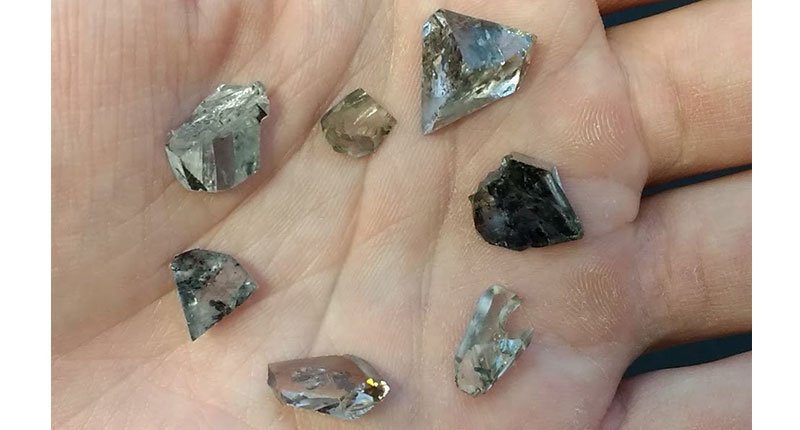
You are probably aware that diamonds are used for purposes other than jewelry. Because diamonds are so hard and durable, they are ideal for grinding, cutting, drilling, and polishing. When used as an abrasive, very small pieces of diamond are embedded into grinding wheels, saw blades, or drill bits. Diamonds are also believed to enhance the performance of high quality speakers. Because diamonds are a very stiff material, they can vibrate rapidly when made into a thin dome without the deformation that can degrade sound quality. They are used for the engraving of stones made of granite, quartz, and other very hard materials. Because diamonds will not break or even scratch against the surfaces of other tough stones, using them for engraving is quite practical as the work can be completed without having to worry about replacing the engraving bit.

Recently, diamonds made the cover of “Science” magazine thanks to Evan Smith, a postdoctoral research fellow at the Gemological Institute of America specializing in diamond geology. He led a team of researchers who studied inclusions in more than 50 Type IIa diamonds to uncover clues about Earth’s geology and back up a theory that geologists have been working with for more than a decade.
Smith’s work focuses on characterizing inclusions seen in rare types of diamonds to help us better understand how diamonds form and what they mean for the evolution of the planet. Big rough diamonds, like those in recent headlines, tend to be irregular in shape, not a nice, symmetrical octahedron like so many smaller stones. They often have a surface that’s rounded and somewhat dissolved, “almost like a lollipop after someone’s been after it for a while,” Smith said.

Type IIa diamonds, stones that are similar to well-known diamonds like the Cullinan, the Koh-i-Noor and the more recently discovered 812.77-carat “Constellation” have very little to no nitrogen, which is what gives them their high color and clarity. What Smith and other researchers found after examining stones (and one Type Iab), and their off-cuts, is that in nearly three-quarters of the diamonds (38 out of 53), the inclusions weren’t, as long believed, graphite but metallic, a solidified mixture of iron, nickel, carbon and sulfur. The offcuts–many of which came from Letšeng in Lesotho, the same mine that produced the rough diamond cut to create the incredible 118.78-carat “Graff Venus”–were key to the study because the researchers could polish them to get a better look at the inclusions, something that they, obviously, could not do with the other diamonds.

Smith said that this verifies what geologists have been theorizing for 10 or more years: that the Earth’s deeper mantle environment has a “light peppering” (up to 1 percent) of metallic iron. Inclusions within the other 15 diamonds contained silicate minerals such as garnet. That’s likely a sign that those gems formed at depths between 360 and 750 kilometers, in particular because at pressures higher than those found at 750 kilometers garnet minerals aren’t stable. Later, those gems were carried to the surface in sudden eruptions via processes scientists don’t yet fully understand. Those eruptions leave behind tubular deposits, called kimberlites, which are the ultimate source of most of Earth’s diamonds.
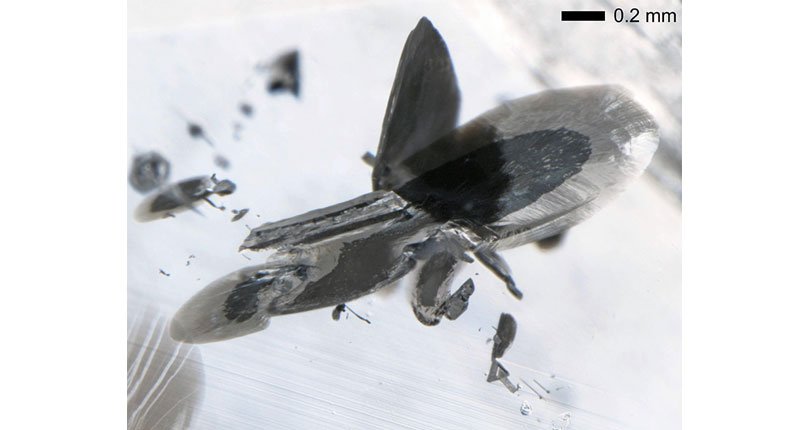
This understanding is important because it changes the way scientists think about how different elements, like carbon, nitrogen and sulfur, are distributed. It also has broad implications for understanding the behavior of the deep Earth, including the recycling of surface rocks into the convecting mantle.

Interested in more stories like this?
Follow us on Facebook. Follow us on Twitter.
We send a monthly newsletter with clips to our favorite News & Events stories. Subscribe today.
[salesforce form=”2″]
Teleprompter glitches and political statements certainly gained plenty of attention during last night’s Golden Globe Awards. While fashion, kissing and of course the winners and losers were getting…
Read story
Teleprompter glitches and political statements certainly gained plenty of attention during last night’s Golden Globe Awards. While fashion, kissing and of course the winners and losers were getting plenty of attention in the Social Media space, we were paying attention to the sparkle and shine behind the scenes – the jewelry! Necklaces, rings, and earrings became the focal point in many outfits, from historical to trendy. Some of our favorites included:
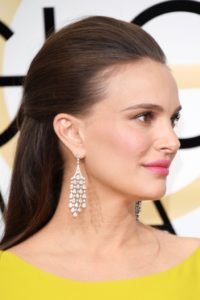
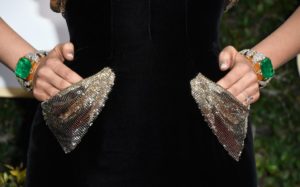
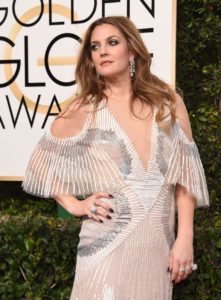
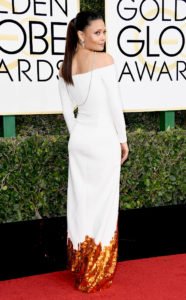


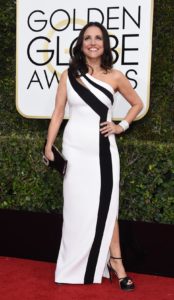
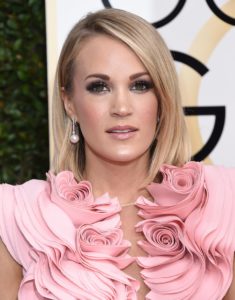
For more jewelry seen on the Red Carpet, see Forbes magazine’s coverage here.
Images courtesy of Forbes Magazine.
Gifts That Sparkle Will Speak To Her Heart At Grants Jewelry, we know diamonds. The Diamond Essentials Collection means everyday luxury – pieces you can wear anywhere, anytime.…
Read story
Gifts That Sparkle Will Speak To Her Heart
At Grants Jewelry, we know diamonds. The Diamond Essentials Collection means everyday luxury – pieces you can wear anywhere, anytime. Diamonds are expertly selected, ensuring a perfect piece suited for giving or receiving. Complete her jewelry collection with one of the pieces below!

Diamond Studs: Your Everyday Go-To Earrings! Wear them everywhere – running errands, to the office, for an evening out on the town – these classics compliment any occasion.
Get 1 ct total weight Diamond Studs for only $1,499*!

Diamond Hoops: Diamond Hoops make a statement, no matter what the occasion. Hoops range from a half inch in diameter up to three inches around & every pair is crafted with a double locking system.
Get 1.5 inch, 1.5 ct total weight Diamond Hoops for only $1,949*!

Diamond Tennis Bracelets: Sleek, elegant diamonds set in line circle the wrist in style. Flexible gold settings highlight perfectly matched diamonds – this bracelet defines style.

Diamonds By The Yard Necklaces: Bezel set diamonds sparkle against a simple chain in these remarkable necklaces. Trendy, classy & fashionable necklaces make a great accessory for any occasion.
Get a 1.5 Carat TW Diamonds By The Yard Necklace on a 20″ 14K White Gold Chain for only $1,395*!

Diamond Pendants: Classic, elegant diamond solitaire pendants are striking in their simplicity. Diamonds sparkle in simple 4 prong settings or round bezel settings – It’s all about the shine!
Get a Diamond Solitaire Pendant featuring a round brilliant natural diamond in a four prong setting with a double bail. 1/4 Ct only $489 OR 1/2 Ct only $1,259*!
*Diamond Essential Prices valid now through December 22, 2016
Add Some Color To That Shine!
If it’s color your searching for, our Fine Jewelry collection features stunning pieces with a variety of different stones. Choose emeralds, rubies, colored diamonds & more. Many pieces are available for the Holidays if you act now!

Zelena Hearts: These 18k white gold earrings feature heart shaped emeralds and diamonds. The natural emeralds total 2.65 carats.

Luxuriosa D’Esclave: Multi-layered diamond encrusted bangles feature perfectly matched round brilliant diamonds accented with pave set diamonds. Expert craftsmanship showcases 17.35 ct of diamonds in 18K gold.

Spheres of Sappheiros: This 18K White Gold Ring with Split Shank features a 1.63ct Round Blue Sapphire, set in a double halo of diamonds totaling 1.14ct.
Reagan’s Royal Rubies: This Ruby & White Gold Necklace features a suite of 9 Hand-Matched Cabochan Cut Oval Rubies totaling 19.48 total carats. Each stone is halo set in diamonds with diamond spacers, for a total diamond weight of 1.86 carats. The piece is linked together with a unique, handmade 18K White Gold Beaded Chain.
Contact Susan Before Thursday For Holiday Purchases!
(212) 398-1256 or [email protected]
OK, so maybe size does matter, at least when it comes to diamonds. Seemingly, larger than life diamonds are in the news (and on the auction block) much…
Read story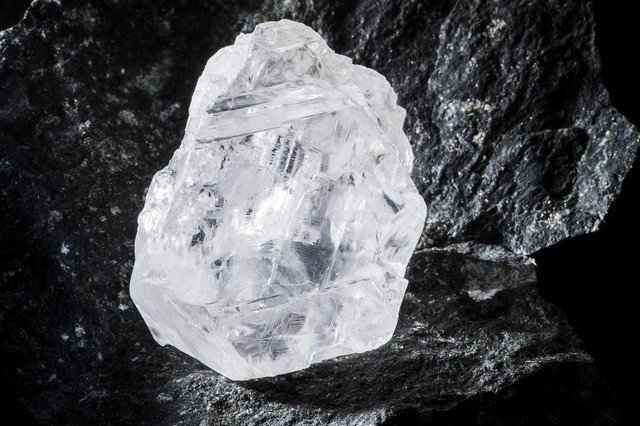
OK, so maybe size does matter, at least when it comes to diamonds. Seemingly, larger than life diamonds are in the news (and on the auction block) much more frequently these days. Earlier this year, we saw the Lesedi La Rona, the largest diamond found in the past hundred years go up for auction. The Lesedi, found in November 2015, wasn’t the only big gem discovered that week. Two other huge diamonds were found from the same mine within 72 hours – a 374 carat diamond which hasn’t been named and an 812.77 carat diamond called The Constellation.

More remarkable still is the streak of large-diamond discoveries over the past few decades: by one reckoning about as many supersize diamonds (those that weigh 200 carats or more) have been unearthed in the past two decades as were found in the rest of the 20th century. Moreover, this streak seems to be growing hotter. Half of the 20 biggest diamonds discovered since 2000 have been quarried in the past three years.
Miners are getting better at locating and preserving big diamonds. Computer processing power has played a key role. For years, miners have used X-ray machines to help identify diamonds hidden within masses of rock, because they fluoresce when bombarded with rays. Now, with the aid of faster computers, sorting machines can use X-rays to scan tons of rock being carried on conveyor belts towards the crushers and instantly analyze the composition of each rock. When a diamond is spotted, the machine can divert the rock to save the stone from being crushed into smaller pieces.

 How will this trend translate to everyday jewelry? Does this mean that the expectations of diamond size will increase? What about the cost? Studies suggest that most women think of two carats as a decent-sized diamond, and a noticeably big diamond would be three carats and above. Of course, depending on where you are in the U.S., the answer will differ. The West and East Coasts tend to buy a bigger average center stone, so their perception of ‘big’ is going to be different than someone in the middle of the country. In New York, the average ranges from 1.5-2 carats, while women in the Midwest typically wear between .5 and 1-carat diamonds. But petite rings are also making a comeback. As millennials enter the market for rings, I am sure the trends will change again.
In the meantime miners are working to understand how to crack open diamond-bearing rock (in a word, gently). These efforts are worthwhile because the prices of bigger diamonds rise dramatically. A top-quality one-carat cut diamond might sell for at least $30,000, but a much rarer 100-carat stone will sell for $20m (a price per carat of $200,000).
Of course, you won’t see a Lesedi-sized diamond in an engagement ring any time soon. (And really, you probably don’t want to carry that sized rock around anyway!) You can however view impressively large diamonds in the Harry Winston Gallery at the Smithsonian’s National Museum of Natural History in Washington, D.C. The first public viewing in America of the 187.7-carat Diavik Foxfire diamond is taking place Nov. 17, 2016 to Feb. 16, 2017. It will be presented alongside the Hope diamond.

Interested in more stories like this?
Follow us on Facebook. Follow us on Twitter.
We send a monthly newsletter with clips to our favorite News & Events stories. Subscribe today.
[salesforce form=”2″]
Source: 1843 Magazine, The Great Big Diamond Boom; BBC News, Why have so many huge diamonds been found recently?
The mere thought of losing a valuable piece of jewelry – whether the value is monetary, sentimental, or both – is enough to make most women cringe. Unfortunately…
Read story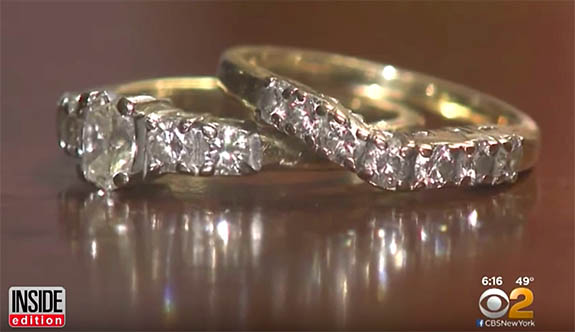

The mere thought of losing a valuable piece of jewelry – whether the value is monetary, sentimental, or both – is enough to make most women cringe. Unfortunately for one NYC woman, that was the reality last week. After preparing Thanksgiving Dinner for her family, this woman realized that her engagement ring and wedding band were nowhere to be found.

She had placed the rings by the sink, and they were mistakenly discarded.
The Department of Sanitation was able to narrow down the trash from her apartment building – it was among 13 tons of waste in a collection truck at a NJ trash-transfer station. Hours of sorting later, the woman and her two assistants, dressed in full protective gear, located the rings! They were able to identify the trash bag because it contained several pieces of junk mail that should have been recycled, but were placed in the garbage instead.
(See the story here)

It happens more often than you might think. In August, a fistful of diamonds worth nearly $1 million was accidentally thrown out with the trash in Manhattan’s Diamond District. Also earlier this year, a newlywed lost his wedding band on the beach in Hawaii, where the couple was honeymooning. The ring was found by another couple in the waves several days later, and thanks to a unique inscription, the band was returned to the couple shortly after they returned home.
Similar stories can be found all over the internet. Social media has become a popular way to share your search for lost jewelry, and to try and reunite owners with missing pieces. There is even a website dedicated to such searches, www.ilostmyjewelry.com.
 Unfortunately, not everyone is fortunate enough to find their missing treasures. While you can’t replace the sentimental value attached to some jewelry, you can replace the item itself, if you have the proper insurance. That’s why it’s so important to have your jewelry appraised and insured.
Every purchase from Grants Jewelry comes with a complete appraisal, but if you have jewelry that has not been appraised, Susan can do so for you. Once you have that appraisal, contact your insurance company and ensure that you have the proper coverage for your piece, so it can be replaced if it does go missing. And remember to update the appraisal every few years so it’s current and accurate in the event you do need to replace or repair your jewelry.
Interested in more stories like this?
Like us on Facebook. Follow us on Twitter.
We send a monthly newsletter with clips to our favorite News & Events stories. Subscribe today.
[salesforce form=”2″]