

Recently, two valuable finds unearthed precious metals and gemstones. First, freedivers off the coast of Spain uncovered a treasure trove…
Recently, two valuable finds unearthed precious metals and gemstones.
First, freedivers off the coast of Spain uncovered a treasure trove of 53 perfectly preserved gold coins from the Roman Empire, one of the largest collections ever found in Europe. Scientists from the University Institute for Research in Archeology and Historical Heritage analyzed the coins. They found they were from the end of the 4th century and the beginning of the 5th century.
“It’s incredible. It’s every child’s dream to find a treasure,” Luis Lens, one of the divers said. Historians believe that the coins could have been intentionally hidden to avoid looting barbarians.
What makes the discovery even more unusual is how perfectly preserved the coins were. The coins will be restored and exhibited in the Soler Blasco Archaeological and Ethnographic Museum of Xàbia.
Then, ceramic jars full of emeralds and metal figurines were found in temple tied to El Dorado, a mythical city of gold. 
Archaeologists in Colombia found eight ceramic jars, with metallic figurines and emeralds inside, within a temple and its adjacent graves.
The ancient Muisca (also called the Chibcha) crafted the jars, called “ofrendatarios” approximately 600 years ago. The Muisca, whose civilization flourished in the region at the time, were famous for their metal-crafting skills. It is believed that their work may have inspired the legend of El Dorado — a legendary city made of gold.


The craftsmanship from 600 years ago is still alive and well, right here in NYC. Everyday, Grants Jewelry works with artists to create the fine jewelry pieces for our valuable customers. Later this week, you will see a collection of custom jewelry made from a rare coin collection that demonstrates such artistry. We are proud to recognize centuries old craftsmanship and to bring that art to life today.
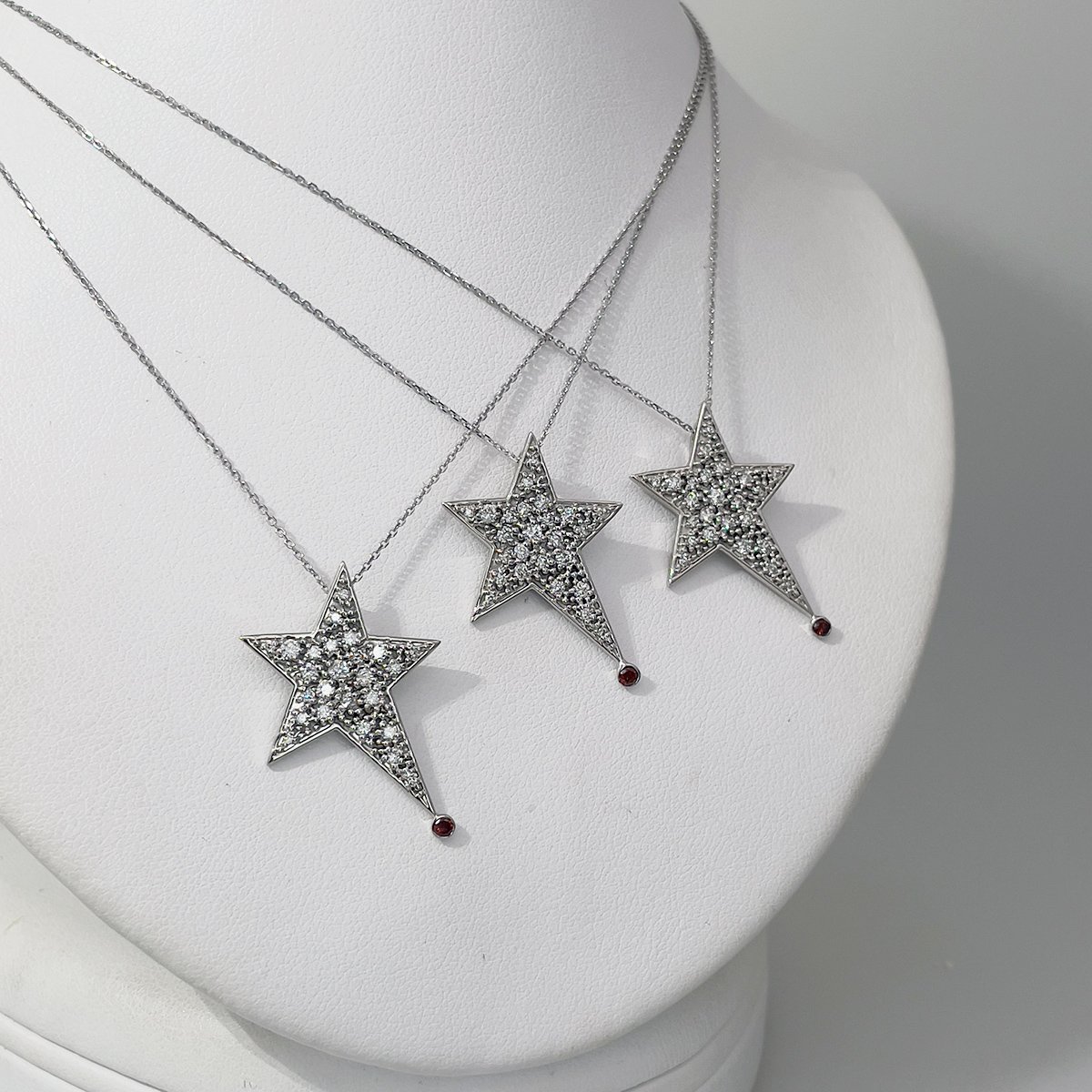
Adding a small red diamond to the tip of the star this year in a nod to the Harvard Crimson,…
Adding a small red diamond to the tip of the star this year in a nod to the Harvard Crimson, Grants Jewelry was thrilled to provide the Rising Star Pendants for our 2021 Winners!
Amy Kadamatsu was recognized as the Corporate Rising Star, Maneesha Ghiya was recognized as the Entrepreneur Rising Star, and Emma McCarthy earned her star in the Non-Profit category.
Thank you Amy, Maneesha and Emma for your impact. Wear your Rising Stars with pride.
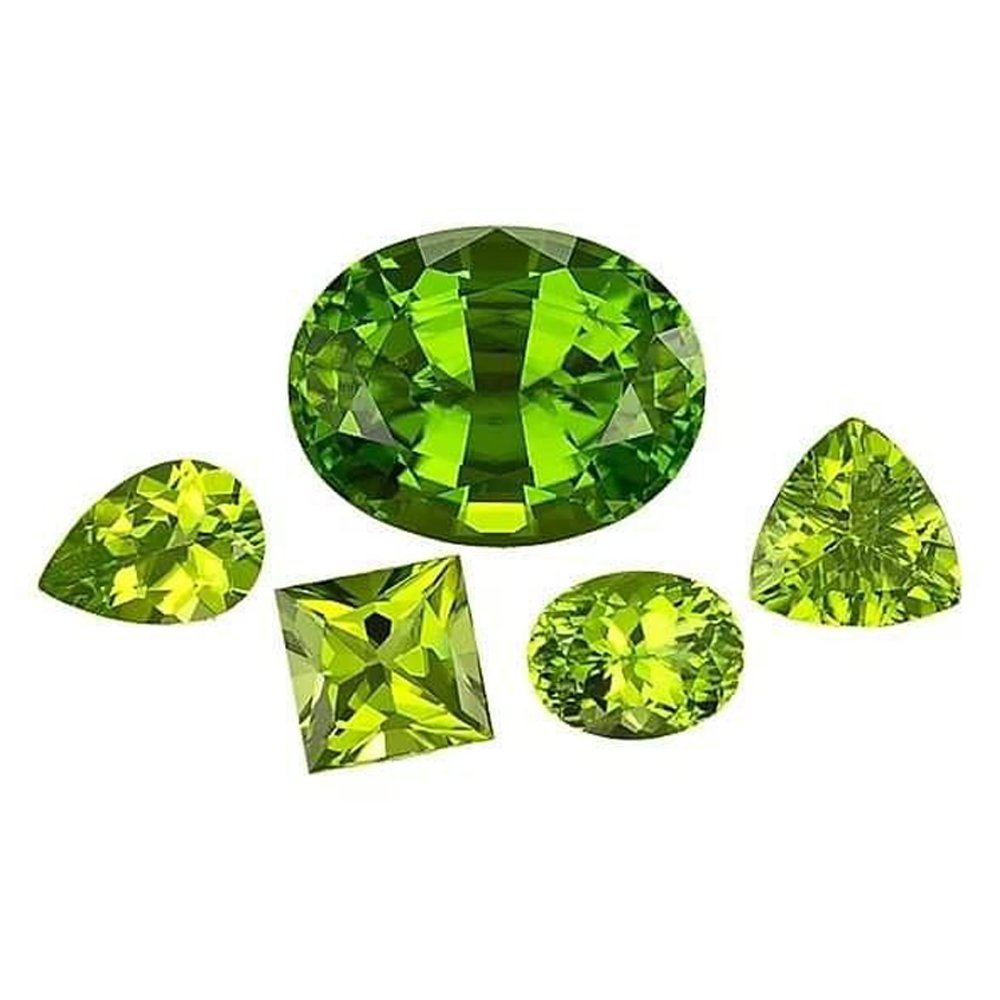
Peridot jewelry dates back as far as the second millennium BC. Ancient Egyptians called it the God of The Sun.
The word peridot comes from the Arabic “faridat,” which means “gem.” Most peridot formed deep inside the earth and was delivered to the surface by volcanoes. The main source of peridot in the ancient world was Topazo Island (now Zabargad or St. John’s Island) in the Egyptian Red Sea. Ancient Egyptians called peridot the “gem of the sun,” believing it protected its wearer from terrors of the night. Egyptian priests believed that it harnessed the power of nature, and used goblets encrusted with it to commune with their nature gods. Peridot stones were also used for carved talismans.

Some historians believe that Cleopatra’s famed emerald collection may have actually been peridot. Through medieval times, people continued to confuse these two green gems. The 200-carat gems adorning one of the shrines in Germany’s Cologne Cathedral were long believed to be emeralds as well, but they are also peridots.
This gemstone saw a revival in the 1990s when new deposits were discovered in Pakistan, producing some of the finest peridots ever found. Some of these “Kashmir peridots” measured more than 100 carats. Today this gem is still prized for its restful yellowish green hues and long history.

Most of the peridot mined today comes from China, Pakistan, and Arizona and the gems that are found are mostly under 3 carats. Two of the finest peridot collections in the world can be found at the Field Museum in Chicago, and the Museum of Natural History in New York.
Peridot is the gem variety of the mineral olivine. Its chemical composition includes iron and magnesium, and iron is the cause of its attractive yellowish green colors.

The gem often occurs in volcanic rocks called basalts, which are rich in these two elements. Large strongly-colored, examples can be spectacular, and attractive smaller gems are available for jewelry at all price points.
COLOR: Although the best peridot is a pure grass green, most peridot is yellowish-green. The color range for peridot is narrow, from a brown-green color to yellowish green to pure green.
CLARITY: Most fine peridot is eye clean. Tiny black spots might be visible with magnification.
CUT: Peridot is cut in a wide variety of styles, including ovals, emerald cuts, and cushions.
CARAT WEIGHT: Large crystals of peridot have cut gems more than 50 carats in size.

SEEING DOUBLE: Peridot has extremely high double refraction: when you look closely through the gem, you can see two of each pavilion facet.
EXTRATERRESTRIAL: Peridot crystals are found in meteorites: some rare extraterrestrial crystals are even big enough to facet as cut gemstones.
ANCIENT TIMES: Some peridot is ancient: it’s found in pallasite meteorites, remnants of our solar system’s birth.
Source: Wikipedia, GIA, American Gemological Society
Interested in more stories like this? Join Us On Social Media.



We send periodic email announcements and a monthly newsletter with clips to our favorite News & Events stories. Subscribe today.
This month we turn our attention to rubies. What do you know about the Ruby? Following, seven facts about rubies: Ruby is one of the four precious gemstones.…
Read story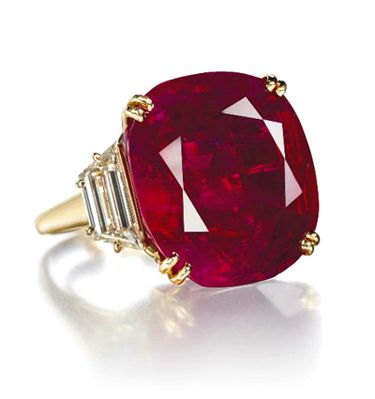

This month we turn our attention to rubies. What do you know about the Ruby? Following, seven facts about rubies:
Sources: GIA.edu, Wikipedia; Images: GIA.edu, Cover Image: Getty Images / Dawid Wapenaar / EyeEm
“The rarest things in the world, next to a spirit of discernment, are diamonds and pearls.” -Jean de la Bruyere The World’s Oldest Gem The discovery of the…
Read story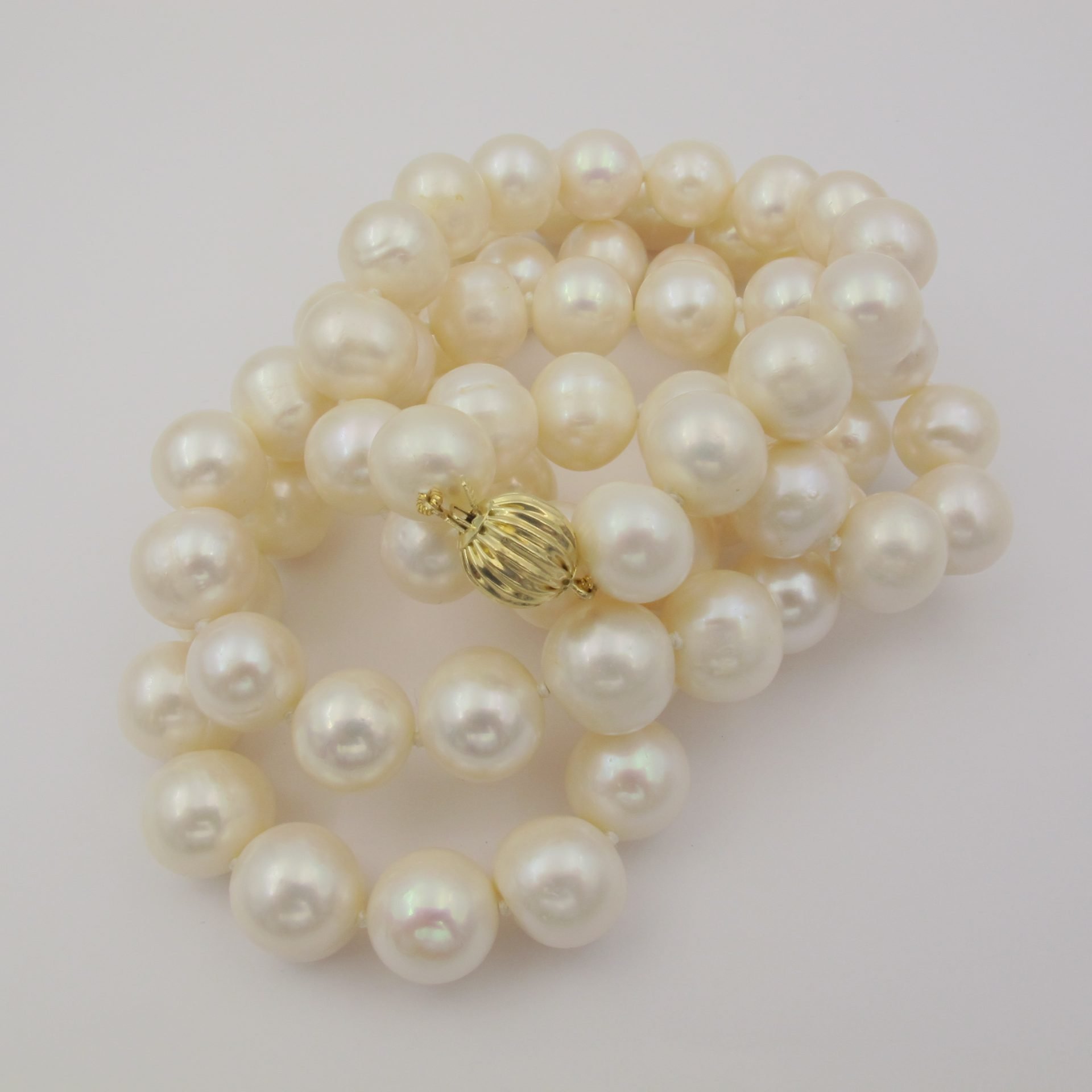

The discovery of the pearl is not attributed to any one person in particular. It is believed that they were first discovered by people searching for food along the seashore. A fragment of pearl was found in the sarcophagus of a Persian princess that dates back to 420 BC. Pearls were presented as gifts to Chinese royalty as early as 2300 BC, and a Chinese historian wrote about pearls for the first time in 2206 BC. According to legend, Cleopatra crushed a pearl into a glass of wine to prove to Marc Antony that she could give the most expensive dinner in history.

Natural pearls are extremely rare. Many hundreds of pearl oysters or mussels must be gathered and opened to find even one wild pearl. Historically, many were found in the Persian Gulf; unfortunately, today, most have already been harvested. Natural pearls are usually the result of an accident, or an injury sustained by the mollusk. The reaction to the irritation is the secretion of a substance called nacre, which coats an irritant or foreign object. That reaction is repeated over and over, resulting in the formation of a pearl.
Cultured pearls are created when a mother-of-pearl bead or a piece of tissue is inserted into a mollusk to start the process of growing a pearl. The mollusks are raised until they are old enough to accept a mother-of-pearl bead implant; once implanted the mollusks are returned to the water and cared for in pearl farms. Pearls can be raised in either saltwater or freshwater. There are also different types of mollusks that produce pearls. The type of mollusk and the type of water will determine the look of the resulting pearl.

Cultured pearls are farmed in both saltwater and freshwater. The type of water will determine the look of the resulting pearl.
Saltwater pearls include Akoya Cultured Pearls, the South Sea Pearl and Tahitian Black Pearls.
Freshwater Pearls are grown in freshwater lakes, rivers, and ponds, predominately in China. Most freshwater pearls are white and resemble the akoya cultured pearls in shape and size, but they can be produced in various shapes and array of pastel colors. Many freshwater pearls don’t have a mother of pearl bead implant. Instead a piece of tissue is used, resulting in a pearl with thicker nacre.
Content and Images Courtesy of GIA, The Jewellery Editor, Wikipedia & The American Gem Society
Interested in more stories like this? Join Us On Social Media.
Summer is all about sunshine. After all, you deserve that peaceful relaxation only found when you spend a weekend or even a week at the beach. Unfortunately, your…
Read story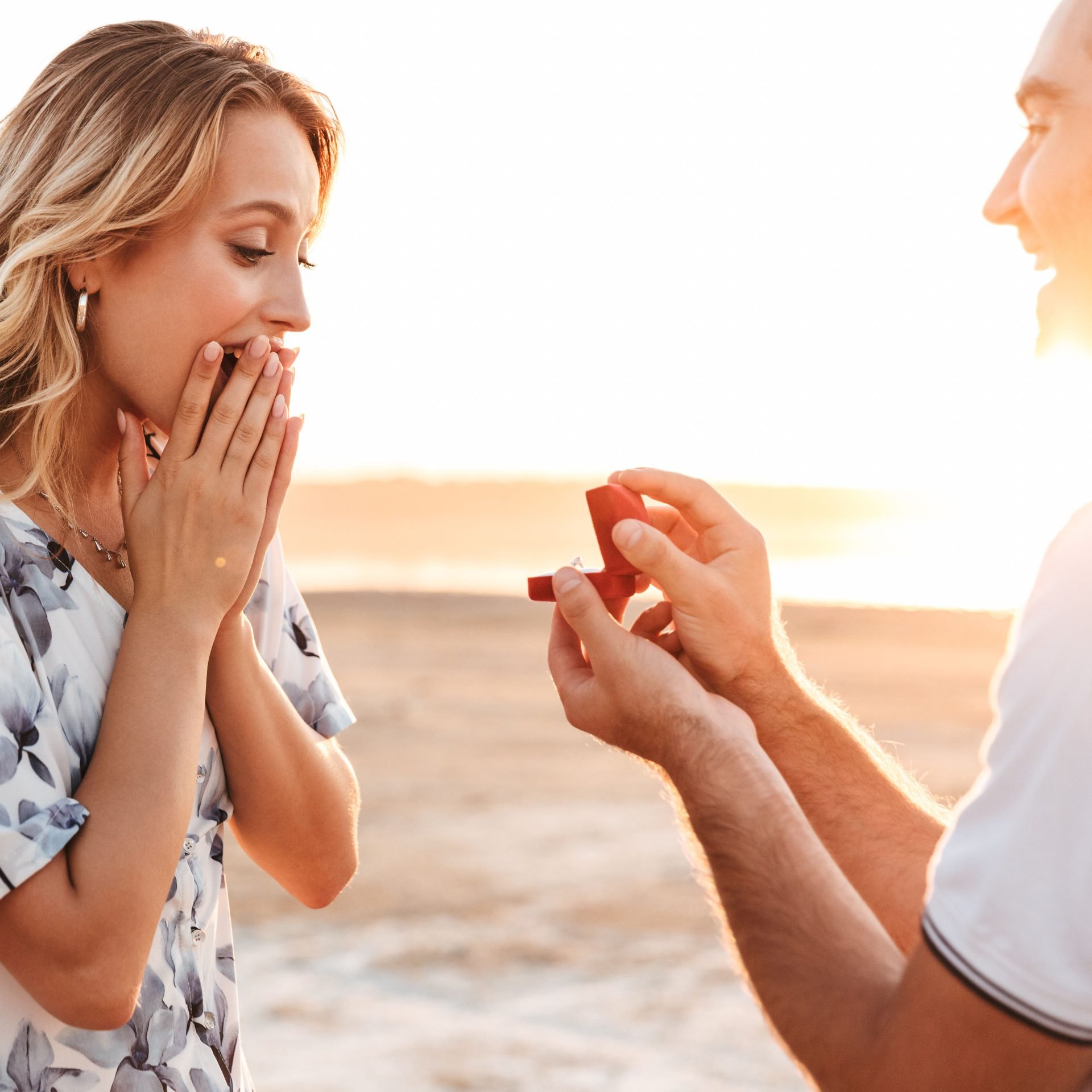
 Summer is all about sunshine. After all, you deserve that peaceful relaxation only found when you spend a weekend or even a week at the beach. Unfortunately, your jewelry is not quite as fond of the sun and the sand.
Between the wind, water and sand, there is a lot that can damage your jewelry. Sun exposure can lead to discoloration over time and can also soften adhesives holding different pieces of your jewelry together. It can lead to general fading and loss of sparkle and shine after a while. Certain gemstones can either darken or fade if they are out in the sun for too long.
The most effective way to prevent damage to your jewelry at the beach is simple – Leave it at home. Instead, wear pieces that you less valuable. Better safe than sorry.
Despite all these concerns, you may still want to wear your jewelry to the beach. Maybe you were just engaged. Maybe it’s a beach proposal! Or maybe you just love those diamond studs, and you did not buy them to hide away in your jewelry box. After all, they shine best in the sun! If so, just be cautious – Here are some tips to help protect it from damage.
If you do decide to wear your jewelry to the beach, consider slipping it off and stowing it in a secure place before you head into the water. You might keep a sealing storage baggie in your beach bag and store your rings here before you start swimming. Feel free to wear them while you relax on the sand, but do not wear them in the water unless you are confident in how secure they are. Water makes it very easy for you to lose your jewelry. And while it is not a huge problem to lose an earring at home, or even in a parking lot, it is safe to assume that any piece of lost jewelry is lost for good.
WHY? Salt! Many precious metals, as well, do not react well to be exposed to salt. Salt creates a residue which remains on the jewelry’s surface even after you have left the beach. This residue then continues to eat away at the metal’s surface. Salt can eat away at the fine polish that gives diamonds their beautiful shine and luster.
 Go Easy on the Sunscreen
Sunscreen is essential, but your diamonds are not at risk of sunburn. Take extra care when applying sunscreen not to rub it directly onto your jewelry. Or simply remove the jewelry while applying the sunscreen and put it back on when you are done. That is the most effective way to keep your jewelry safe.
WHY? The chemical makeup of many sunscreens can be damaging to your jewelry. In the same way that salt can tarnish your jewelry, so can the chemicals in sunscreen. While the greasy nature of many sunscreens sinks into your skin and is absorbed, it just sits on the surface of jewelry, eroding the surface and leading to tarnishing.
 Try to Keep Sand off Your Jewelry
We know, sand has a way of getting everywhere. It gets in your bathing suit, in your beach bag and, inevitably, some of it will find its way underneath your rings and other jewelry as well. There isn’t a lot you can do about this but do your best to keep your jewelry clear of the sand.
If you plan on building a sandcastle, remove your rings first. If you want to sunbathe, put a towel between you and the sand. Little actions like that can sometimes make a world of difference between your jewelry being scratched up and coming away undamaged.
WHY? Sand is a hard, abrasive material that can scrape ruthlessly away at many surfaces, including the metal and precious stones in your jewelry. This can lead to scratch marks, scrapes and other types of cosmetic damage.
Use a soft damp cloth or soft bristle toothbrush to gently wipe off any jewelry you wore at the beach. This will help ensure that any sunscreen, salt or sand residue is wiped off and won’t continue to corrode the jewelry and will help maintain the natural shine of the metal and stones.

Jewelry should be cleaned professionally regularly, whether it has been to the beach or not. It is also a good idea to schedule a professional cleaning and checkup for the end of the summer season. Be sure that all stones are secure, clasps are tight, and that there are no scratches or other issues from that extra outdoor exposure that summer brings. Susan will clean and inspect all jewelry and update your appraisals, as necessary. Contact her anytime for these services.
International Tiara Day is celebrated on May 24th each year, appropriately on the birthday of Queen Victoria. Since so many girls and women admire tiaras, but there are…
Read story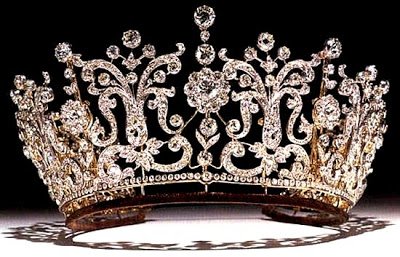
International Tiara Day is celebrated on May 24th each year, appropriately on the birthday of Queen Victoria. Since so many girls and women admire tiaras, but there are very few events to which one can appropriately wear one, International Tiara Day was created.
As a symbol of social status and power, men and women have adorned their heads with various kinds of crowns and tiaras dating back to Egyptian times.
Ancient Egyptian pharaohs favored gold head-bands. The bands were sometimes decorated, with tassels hanging over the forehead or down the temple. In the tomb of Tutankhamun, King of Egypt, it was discovered that the king’s mummy was wearing one such headdress, a gold diadem circle. At the front was a detachable gold ornament with the head of a vulture and the body of a cobra, symbolizing the unification of Lower and Upper Egypt.

To decorate the head with flowers or leaves was an ancient custom and signified honor, love, or victory. Greeks celebrated victory in games by crowning the champions with wreaths made from natural laurel leaves. The tradition continued with the Romans, who honored generals with wreaths made of real gold, turning perishable natural foliage into an eternal symbol. So Roman conquerors wore golden wreaths, and their Roman brides wore wreaths made from flowers and leaves.
Symbolism was woven into the design of all of these wreaths and other headwear. The symbols played a part in religious customs, literature, and legends for all time. For example, the bridal wreath was a symbol of purity. Lilies symbolized purity; wheat, fertility; rosemary, male virility; these metaphors are still acknowledged by many brides centuries later.


The term tiara, in its original form, described a high-peaked head decoration that was worn by Persian kings. Tiaras were not popular during medieval times, as fashion dictated that a woman’s head and hair should be covered. Once the Renaissance relaxed those customs, a women’s hair was often worn in curls and waves around her face. Hair was adorned with a variety of natural or jeweled decorations, some of which approached the look of a tiara, though they were still more casual.
During Napoleon’s reign, there was a rebirth of interest in the classical, and a revival of the ancient fashion for diadems. Napoleon and his wife Josephine are often considered to have started the trend of luxurious headwear. In fact, Napoleon had the famed Cameo tiara, worn by Swedish royal brides today, made for his wife.
For his coronation in 1804, Napoleon wore a laurel wreath of golden leaves, each representing one of his victories. It was crafted by a Parisian goldsmith and was rumored to have cost 8,000 francs. Napoleon’s Roman wreath of victory was imitated by the women of society, and a new fashion was born. A new, swept-up hairstyle was the perfect style to wear with a high, flat tiara, pointed at the front, embossed in gold and decorated with jewels. Empress Josephine was painted on several occasions wearing different tiaras, also known as bandeaux.
Empress Marie-Louise, Napoleon’s second wife, received an even more elaborate tiara to mark the birth of their only son. It was encrusted with diamonds, surrounding large crown-jewel diamonds and emeralds.

English royalty embraced this tradition, expanding tiaras and crowns to include gemstones in addition to the diamonds. It was in the 19th century that tiaras first became important wedding symbols for the British royal family. Queen Victoria began a collection of priceless tiaras that still belongs to the family today. There are a number of famed royal tiaras such as the Queen Mary Fringe Tiara worn by Queen Elizabeth on her 1947 wedding day, and the Diamond Bandeau Tiara, worn by Megan Markle on her wedding day in 2018.
That tradition continues today, with many brides wear a tiara on their wedding day. Perhaps it is simply a trend, or just maybe it is symbolic of more – Every bride dreams of feeling like a princess in her wedding dress, so the tiara is the perfect accent to complete that dream!
Susan can help you source a tiara to complement your wedding day jewelry – simply ask for details. In the meantime, browse our other fine jewelry to find a treasure that captures your style. In the meantime, I have to go find my tiara from my wedding day and put it on. . . .
In it’s original concept, the eternity ring dates back to the Egyptians, 4000 years ago. The significance of eternity rings also comes from Old Egypt, where the circle…
Read story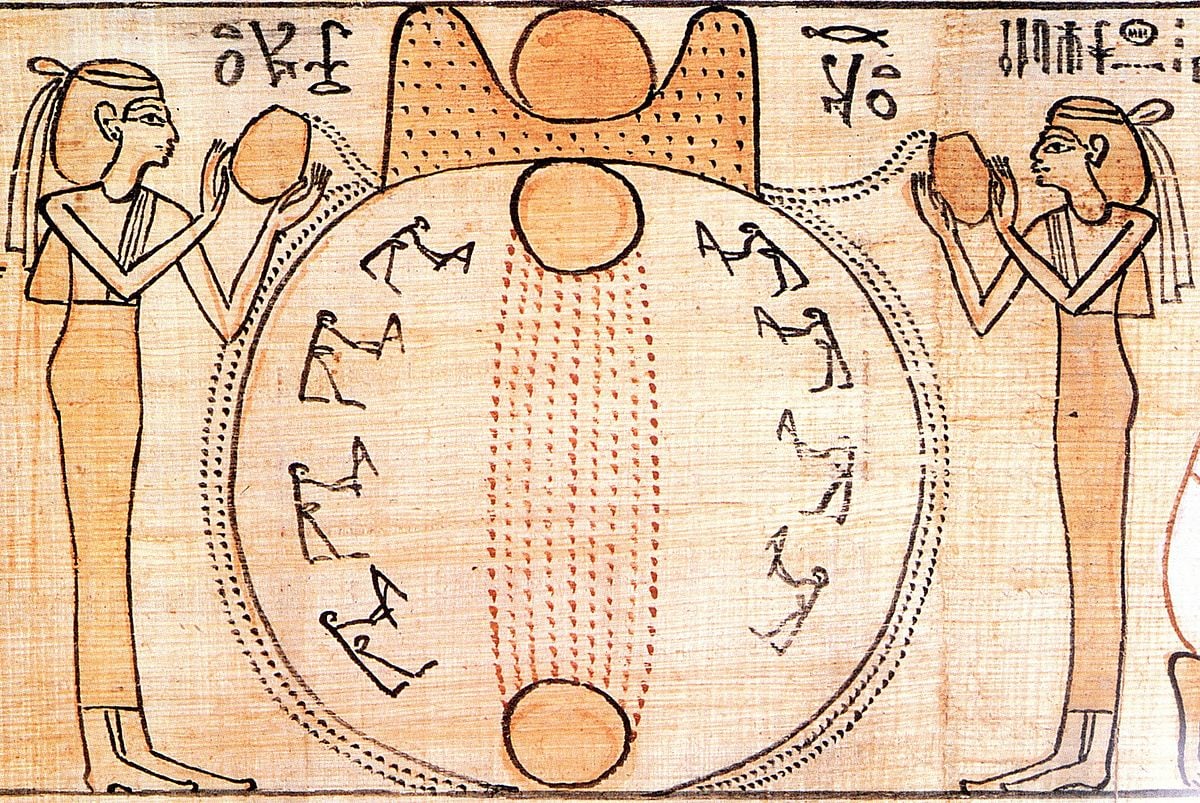
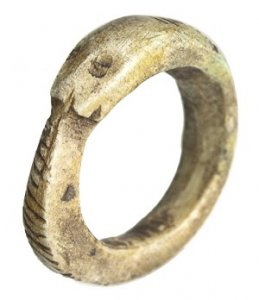
In it’s original concept, the eternity ring dates back to the Egyptians, 4000 years ago. The significance of eternity rings also comes from Old Egypt, where the circle was a powerful symbol that represented eternity. The Egyptians also believed that the bond of marriage between a man a woman was so strong it could not be interrupted by death.
Archaeologists have found ancient Egyptian rings made of many different materials, such as braided reeds, carved bone and metal. Each of these rings had carvings, beads and gems in common, that were featured around the entirety of the band.
The earliest examples of the eternity ring were just an ordinary circle of precious metal. As the ring evolved, stones were set along the top of the ring. Some early examples were also set to mimic the image of a snake devouring its own tail, known as the ouroboros.

Precursor to the Eternity Ring – The Shen Ring
In ancient Egypt a shen ring was a circle with a line tangent to it, represented in hieroglyphs as a stylised loop of a rope. The word shen itself means, in ancient Egyptian, encircle, while the shen ring represented eternal protection. The Shen is a representation of infinity and permanence. Considered a romantic love token, “Shen” rings symbolized the eternal and were used by couples to mark special occasions.
Today’s Eternity
The eternity ring resurfaced in the 18th century and was often used by suitors as a promise ring. In modern times, the eternity band is not just a wedding band, but it has also become a family heirloom. The ring is a symbol of a couple’s life together. When passed on to children and grandchildren, the eternity ring becomes a way to represent the history of a couple’s marriage and love for one another, and the life they shared together. These significant memories help that love become “eternal”, as it is passed down through generations.
Eternity rings are given as anniversary gifts, to mark the birth of a child, or to mark a significant life occasion. They can be crafted with diamonds, or with gemstones, or a combination of both!

Emeralds. May’s birthstone, and the gem of the twentieth and thirty fifth wedding anniversaries. This stone is a green to bluish green variety of beryl, a mineral…
Read story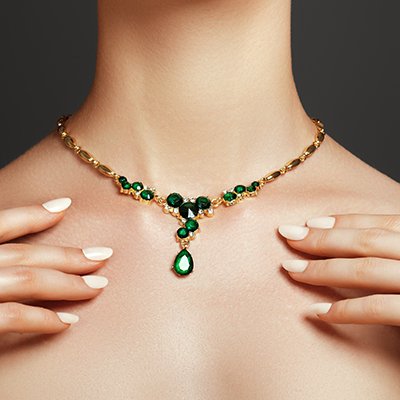
May’s birthstone, and the gem of the twentieth and thirty fifth wedding anniversaries. 
This stone is a green to bluish green variety of beryl, a mineral species that also includes aquamarine. What is the dividing line between emerald and beryl? GIA has created lab-graded comparison stones to determine if the green color is dark enough and saturated enough for a stone to be called emerald.
 It is emerald’s lush green that has soothed souls and excited imaginations since antiquity. Rome’s Pliny the Elder described emerald in his Natural History, published in the first century AD: “nothing greens greener” was his verdict. He described the use of emerald by early lapidaries, “its soft, green color comforting and removing their weariness.”
There are other green gems, like tourmaline and peridot, but emerald is the one associated with the lushest landscapes and the richest greens. For example, Ireland is the Emerald Isle. Seattle, is the Emerald City. Thailand’s most sacred religious icon is called the Emerald Buddha.
Legend states that emerald was one of the four precious stones given by God to King Solomon. These four stones were said to have endowed the king with power over all creation. Its color reflects new spring growth, which makes it the perfect choice of a birthstone for the month of May.

The origin of wedding rings is a fascinating one. The tradition of exchanging rings dates back 3,000 years. So why are rings the ultimate symbol of romance? Believe…
Read story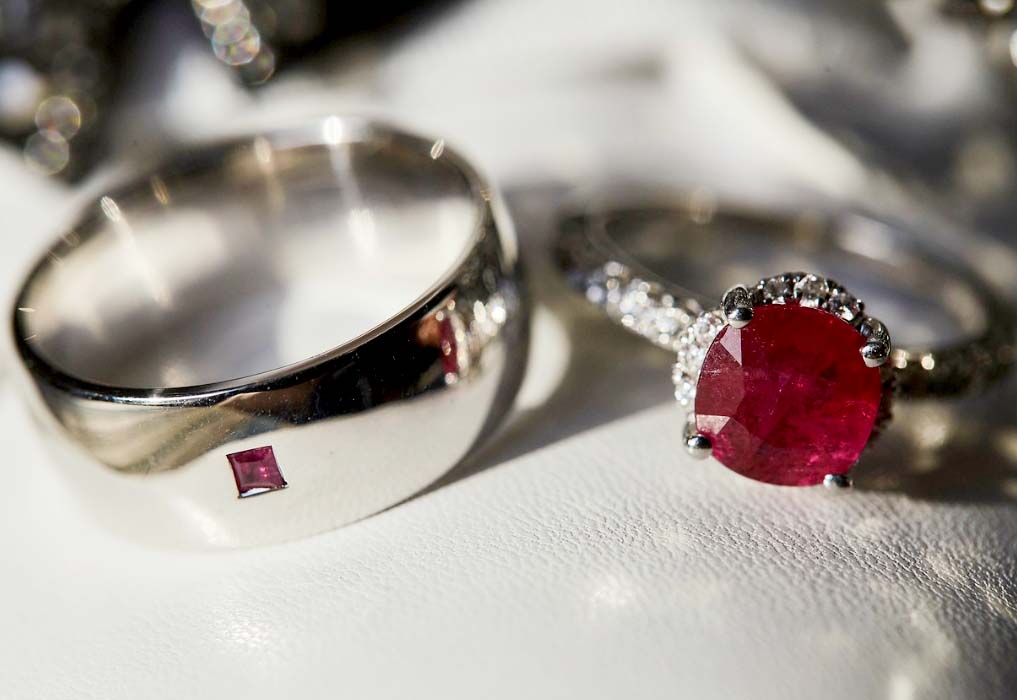

Believe it or not, It all started with a faulty premise! Ancient Egyptians believed that the fourth finger of the left hand contained a “vena amoris” or “vein of love” that led directly to the heart. So it made sense to wear the ring on that finger. When Alexander the Great conquered the Egyptians, the Greeks adopted that tradition, giving rings to their lovers to represent devotion. Many of these rings depicted Eros or Cupid, the god of love.
When the Romans conquered Greece, they picked up on this tradition and began using iron and copper rings in marriage ceremonies. The rings sometimes had key motifs to symbolize that the wife now had control of the household goods.
In Medieval England, getting married was remarkably simple. All the couple had to do was to offer each other their ‘present consent.’ Often, this consent was expressed through the giving and accepting of an object called a ‘wed,’ and this ‘wed’ was often a ring. Thus, a ‘wedding’ was a ceremony where a man offered a woman a ring and she accepted it.
In the 12th century, the Christian church declared marriage to be a holy sacrament and established a formal ceremony. Rings were a part of the ceremony, and it became the rule that no man should place any type of ring on a woman’s hand unless he meant to get married.
Before that declaration, rings did not always signify marriage. They were often given as tokens of devotion. It is possible that two different types of rings emerged when the church codified marriage: the more personal engagement ring and the church-sanctioned wedding ring.
Browse wedding rings and bridal sets on the website.
Helping a bride and groom select these deeply personal symbols of their commitment to one another is a privilege. As we enter “Wedding Season”, I hope that we will all have the opportunity to help couples celebrate the exchange of rings and promises during the summer months.


Diamonds in the normal color range are colorless. They are described using an industry defined color scale from D to Z. Fancy color diamonds, on the other hand,…
Read story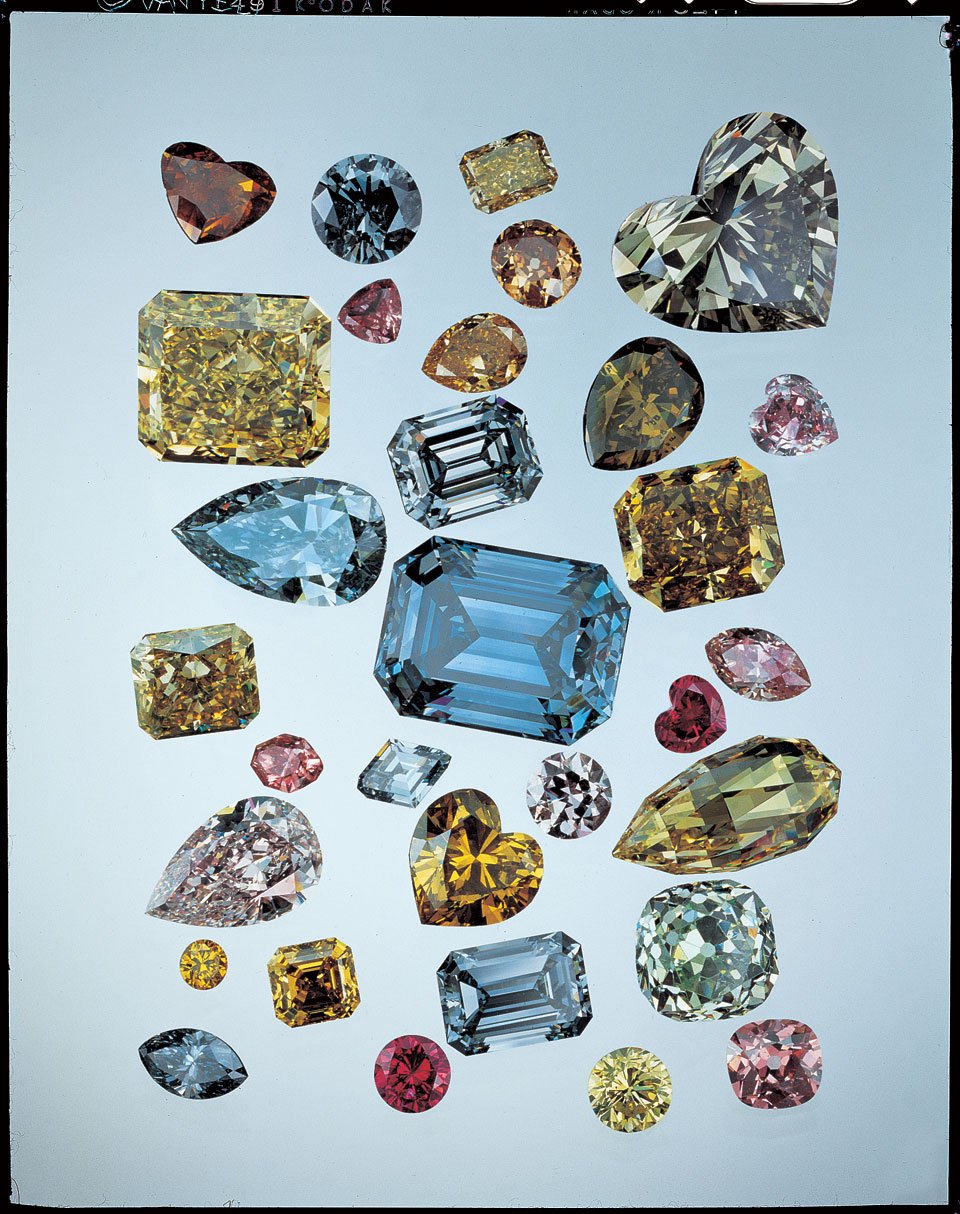

Diamonds in the normal color range are colorless. They are described using an industry defined color scale from D to Z. Fancy color diamonds, on the other hand, exhibit color beyond the Z range. These rare specimens come in every color of the spectrum.
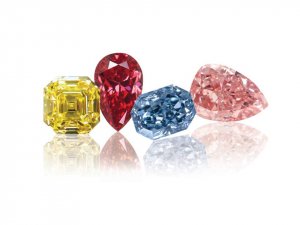
The world’s first diamond color-grading system dates back to sixth-century India. The system was based on the country’s ancient class structure. Members of different status levels, or castes, were permitted to own and wear only diamonds of a specific color. Thus, diamonds served as a badge of rank. Priests and rulers were allowed to own diamonds that were “whitest of the conch, of the lotus, or of the rock crystal” (white to colorless). Landowners and warriors were assigned diamonds that were “the brown color of the eye of the hare.” The merchant class was allowed to own only diamonds that were the “pretty nuance of a petal of a kadl [flower]” (yellow). Members of the lower classes were assigned diamonds with “the sheen of a burnished sword” (gray or black). Kings were free to possess diamonds of any color.
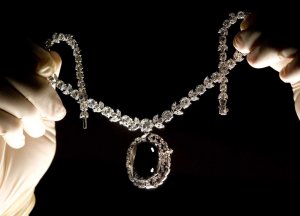
Diamond color-grading systems have evolved of course. Today’s well-established methods for judging diamond color are based on much more than a comparison to conch shells, and the only restrictions to owning colored diamonds are availability and affordability. Fancy color diamonds come in every color you can imagine. Red, green, purple, and orange are generally the most rare, followed by pink and blue. Blacks, grays, and fancy whites are considered fancies, too. The 67.50-carat Black Orloff diamond, named after the Russian Princess Nadia Vyegin-Orloff, is one of the most well-known black diamonds. Yellows and browns are the most common fancy colors, and are generally less valuable than the rarer colors. Their beauty and the depths of color in which yellows and browns occur do still offer a wide range of possibilities, so they should not be discounted from consideration.

The value of a fancy colored diamond increases with strength and purity of color. Large, vivid fancy color diamonds are extremely rare and very valuable. Their popularity and availability have grown in the past several decades, in part due to the marketing of brown stones under trade names like “Champagne” and “Cognac.” Argyle, a producer of fancy colored diamonds, wanted to make the public more aware of fancy color diamonds and their efforts were a success. That same Argyle mine still produces brown diamonds, but it’s more famous now as the world’s major source of rare pink diamonds, which have done very well at auction in recent years.
Treatments such as heat, or high pressure, high temperature (HPHT) treatment are often employed to enhance the color of a particular stone. Manufacturers and jewelers are required to disclose any such treatments to the customer at time of purchase.
Browse our fancy colored creations, and see which colors catch your eye today!
Images and Content Courtesy of GIA.edu.
What if you could capture the world’s most precious elements in a beloved piece of jewelry that you could wear every day? Well, in fact you can and…
Read story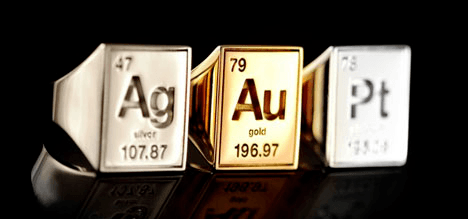


 fit in the average living room! Rarer than many other metals, only about 133 tons of platinum are mined each year (compared to 1,782 tons of gold).
 Silver is another beautiful white metal used in jewelry. It is also extremely malleable. Because silver is so soft, you will almost never encounter pure silver jewelry. Instead, most jewelry is made from sterling silver, which is 92.5% silver and 7.5% other metals.
 The artisans that use these timeless elements are connected with nature at so many levels, and bring that connection to everyone in their own creative ways. You can find jewelry inspired by nature in look and style as well- flowers, leaves and animals for example.
Aquamarine’s name comes from the Latin for seawater and it was said to calm waves and keep sailors safe at sea. March’s birthstone was also thought to enhance…
Read story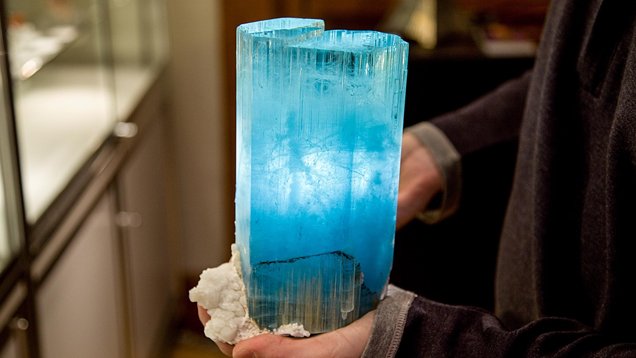

Aquamarine’s name comes from the Latin for seawater and it was said to calm waves and keep sailors safe at sea. March’s birthstone was also thought to enhance the happiness of marriages. The best gems combine high clarity with limpid transparency and blue to slightly greenish blue hues.
Like many beryls, aquamarine forms large crystals suitable for sizable fashioned gems and carvings. Aquamarine grows in large, six-sided crystals that can be up to a foot long. This makes it a great gemstone to be cut and polished in larger carats for bold statement jewelry pieces.

This 20.83 carat stone from Africa represents the large size and attractive color that make aquamarine a much prized gem.
Its color is usually a light pastel greenish blue. Heat treatment usually gives it a more bluish appearance. (Emerald is the green to bluish green variety of the same mineral.) Aquamarine is also the gem of the 19th wedding anniversary.
Images and Content Courtesy of GIA.edu
Bloodstone, also known as heliotrope, is a variety of chalcedony (cryptocrystalline quartz). It is traditionally semi-translucent to opaque dark green jasper with red inclusions of iron oxides, especially…
Read story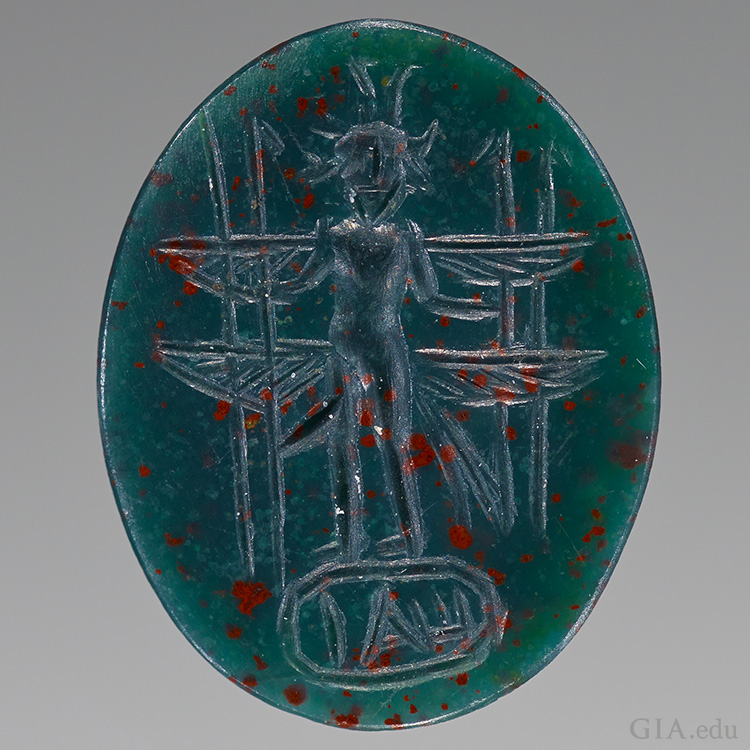

Bloodstone, also known as heliotrope, is a variety of chalcedony (cryptocrystalline quartz). It is traditionally semi-translucent to opaque dark green jasper with red inclusions of iron oxides, especially hematite. Bloodstone’s alternate name heliotrope comes from the ancient Greek word that means “to turn the sun.”
In ancient times, these March birthstones were believed to turn the sun red if they were placed in water. The name bloodstone derives from the belief that the color pattern has religious significance, representing the blood of Christ.
Several metaphysical properties have been attributed to this March birthstone. They include increasing strength, giving invisibility, and preserving health and youth. In modern times, many believe the bloodstone birthstone to be a lucky charm, as it is prized by athletes and others who want to grow their strength. Even today in India, fine bloodstones may be crushed into a powder and used as an aphrodisiac.
Although bloodstone does not share the same classic beauty as March’s traditional aquamarine birthstone, many prize bloodstone for its special properties. Bloodstones used as gems are typically cut as cabochons, though some striking examples are faceted.
Most bloodstone in the marketplace today is from India. However, the bloodstone birthstone also comes from parts of Brazil, Australia, China and the United States, among other countries. Bloodstone can be found filling filling fractures or cavities in other rocks or as pebbles in riverbeds.

To keep the stone from getting scratched (it’s 6.5–7 on the Mohs scale), it is important to store your bloodstone birthstone in a soft fabric.
The March birthstones aquamarine and bloodstone have it all: They are beautiful, rich in lore and exceptionally wearable. Now you know how to pick one that will become a cherished addition to your jewelry wardrobe.
Photos & Content Courtesy of GIA.edu
Love comes in all shapes and sizes, and no two love stories are the same. Most great love stories have one thing in common though – the couple…
Read story
There are plenty of interesting facts about garnet, primarily because it’s a stone with such a long history. Here are just five of those facts, to whet your…
Read story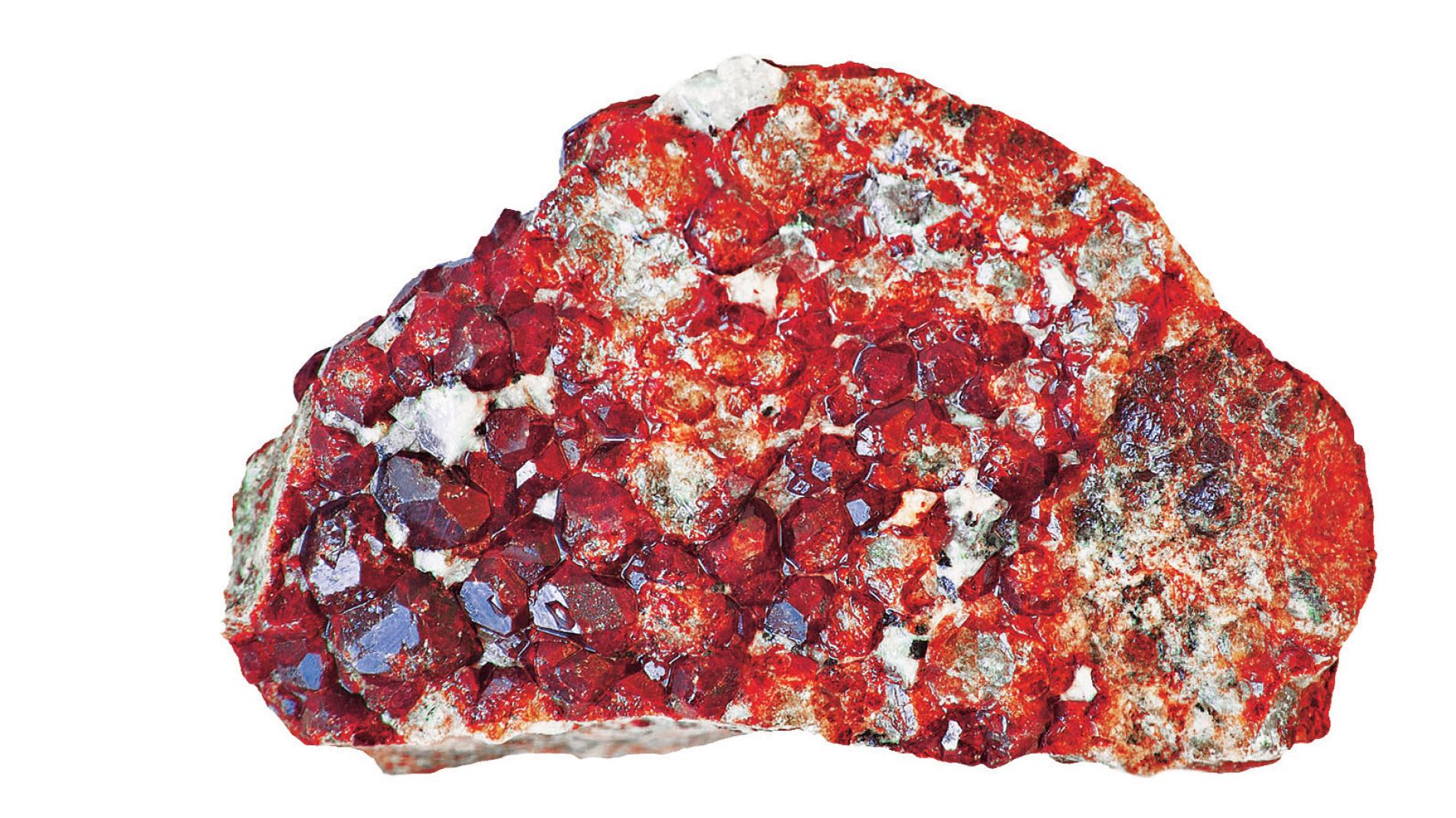
There are plenty of interesting facts about garnet, primarily because it’s a stone with such a long history. Here are just five of those facts, to whet your appetite for January’s beloved birthstone.
Garnet dates as far back as 3800 BC. The gemstone was discovered in Egyptian art and was thought to be an important symbol of good health. The stone was fashioned into beads for necklaces and used as an inlay for carvings.

Over the years, garnet has been a symbol of peace, health, and deep friendship. Garnet was also thought to enhance karma. Do good while wearing the stone and more good will be bestowed upon you.
Garnets come in a wide array of colors. There are several varieties (known as species), and there are also hybrids that combine two or more types of garnet.
Some popular garnet species include the green demantoid garnet, the orange spessartite garnet, the red pyrope garnet and the pink rhodolite garnet.
Garnet has the potential to last for thousands of years with proper care. The stone falls between 6.5 – 7.5 on the Mohs Scale of Hardness depending on the species.
If ever there was a time period that prized garnets on a mass scale, it was the Victorian era. Bohemian garnets from Eastern Europe were fashioned into marvelous cluster pieces. Thus the stone was used in engagement rings, mourning jewelry, and anywhere they could fit it.

Garnet is an especially passionate stone closely linked to love, relationships, and friendships. How much of the lore you choose to believe is up to you, but there is no disputing the fact that garnet jewelry is remarkably beautiful!
Browse Garnet Jewelry: Click Here.
It’s easy to understand why people confuse tourmaline with other gems: the stone has a dazzling range of colors, from rich reds to pastel pinks and peach colors,…
Read story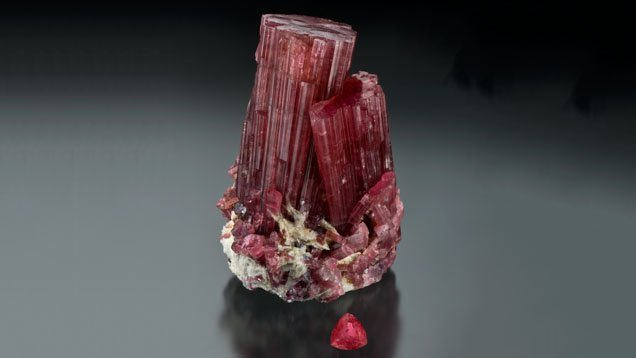

It’s easy to understand why people confuse tourmaline with other gems: the stone has a dazzling range of colors, from rich reds to pastel pinks and peach colors, intense emerald greens to vivid yellows and deep blues. People have probably used tourmaline as a gem for centuries, but they identified it as some other stone (ruby, sapphire, emerald, and so forth) based on its coloring.
Tourmalines come in a wide variety of exciting colors. In fact, tourmaline has one of the widest color ranges of any gem species, occurring in various shades of virtually every hue. Perhaps this is why ancient mystics believed this October birthstone could inspire artistic expression – it has a color palette for every mood. Many tourmaline color varieties have inspired their own trade names:
Cutters often fashion tourmalines as long rectangles. Making the cut parallel to the length of the rough crystal helps to reduce waste. But cutters also have to consider tourmaline’s optical properties – it can show different colors in different crystal directions. A crystal that appears pale green across its width can be very dark green—sometimes almost black—when you look down its length.

Tourmaline can be featured in many different types of custom jewelry, and is especially good for pieces with vibrant colors. Contact Susan for a consultation today and see how tourmaline could work for you!
It’s time to take a peek at what’s trending this fall. What should be under the tree this holiday season? What will you see gracing the pages of…
Read story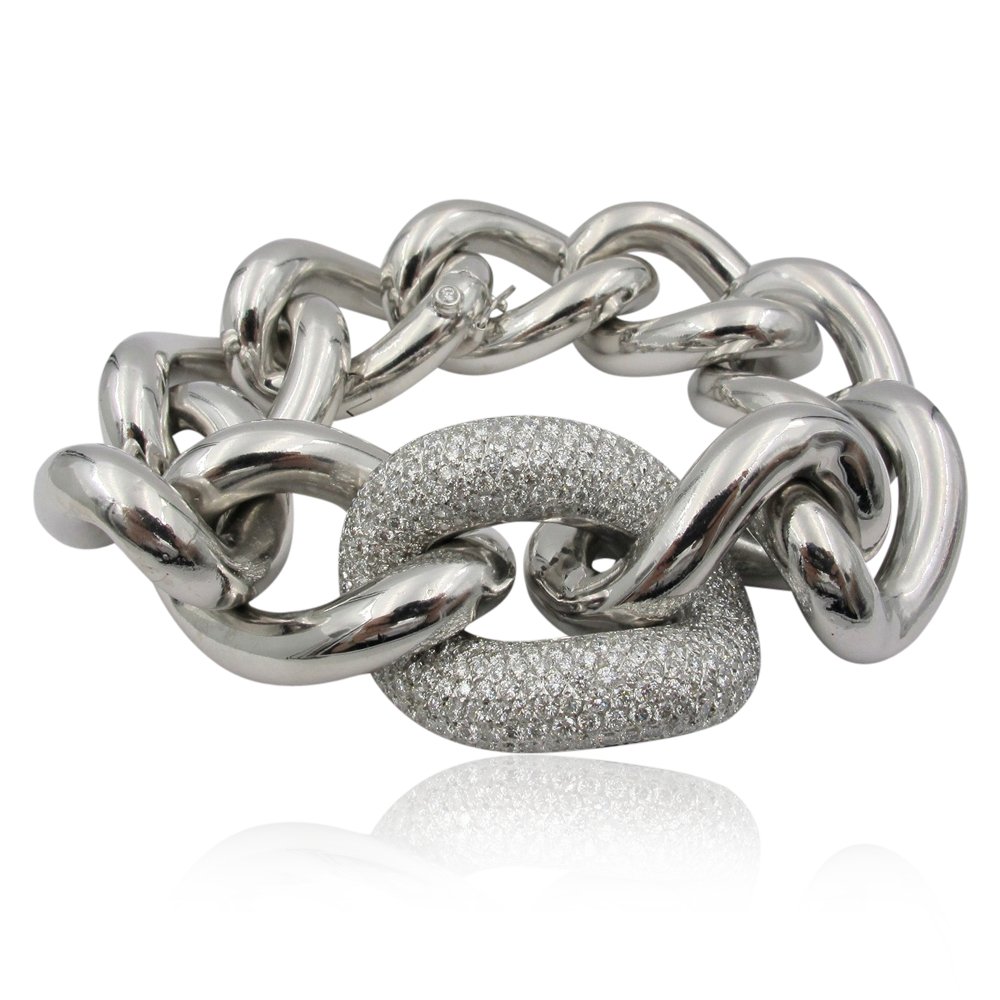
It’s time to take a peek at what’s trending this fall. What should be under the tree this holiday season? What will you see gracing the pages of your favorite magazines?
Well, the industry tells us we should be on the lookout for links, pendants & charms, and pearls. So get ready, cause Grants Jewelry has everything you need to be on the trendsetter list this season!
Links: From bold links to diamond crusted angles, it’s all about the geometry. Links can be angular or round, and they can be subtle or in your face. It doesn’t matter which you prefer, as long as you link up this season!!
Check out trending links: Click Here!
Coming Soon – Charms & Pendants are coming back in a big way. Are you ready?




https://www.nytimes.com/2019/12/12/arts/design/maine-mineral-and-gem-museum.html
Read story


https://www.nytimes.com/2019/12/12/arts/design/maine-mineral-and-gem-museum.html